

When your child turns 3, he is growing in independence and developing his language and motor skills quickly. Choose activities that will complement his growth and development at this stage.
Developing Skills of Your Three-Year-Olds
Generally, there’s not much difference between a 2-year-old and a 3-year-old. Well, that’s probably true (for most people), but only because they don’t know what to look for.
If you do, you’ll see that your 3-year-old is now forming longer sentences, recalling past events, holding conversations properly (by waiting for his turn to talk), moving with better and more intricate control, and steadily becoming social.
Pay attention to these developments to properly select learning activities that will engage these growth areas and further develop his skills.
Exploring Things to Do with 3-Year-Olds

With his vision now almost at 20/20 and hand-eye coordination being advanced, plus an almost inexhaustible supply of energy, your 3-year-old can now do plenty of activities that regular students do at school. Take advantage of this by trying out these activities with him:
- Swim lessons
- Hiking on easy trails
- Puzzle games (more advanced ones like jigsaws and mazes)
- Ball games (basketball, soccer, baseball)
- Painting brushes
- Gardening
Physical Activities for 3-Year-Olds

Your 3-year-old is rapidly growing physically at this point. His bones and muscles are all going to exhibit noticeable development. Depending on how active he gets, you’ll see him grow taller and slimmer.
Physical activities will significantly speed up and dictate the direction of his development, so let him engage in plenty of physical activities. The following movements and physical activities can help your 3-year-old properly develop his body:
- Running and chasing – good for leg muscles and lungs
- Swimming – good for lungs, legs, arms, shoulders, and joints
- Climbing – excellent for agility, balance, arm and shoulder muscles
- Jumping – great for leg muscles and balance
- Stretching – good for the spine, joints, and lots of muscles
- Dancing – good for lungs, leg muscles, coordination
Do not forget to give him plenty of rest as well. Overdoing physical activities and abusing your child’s developing body can lead to harm or even irreversible damage to his body.
Educational Activities for 3-Year-Olds
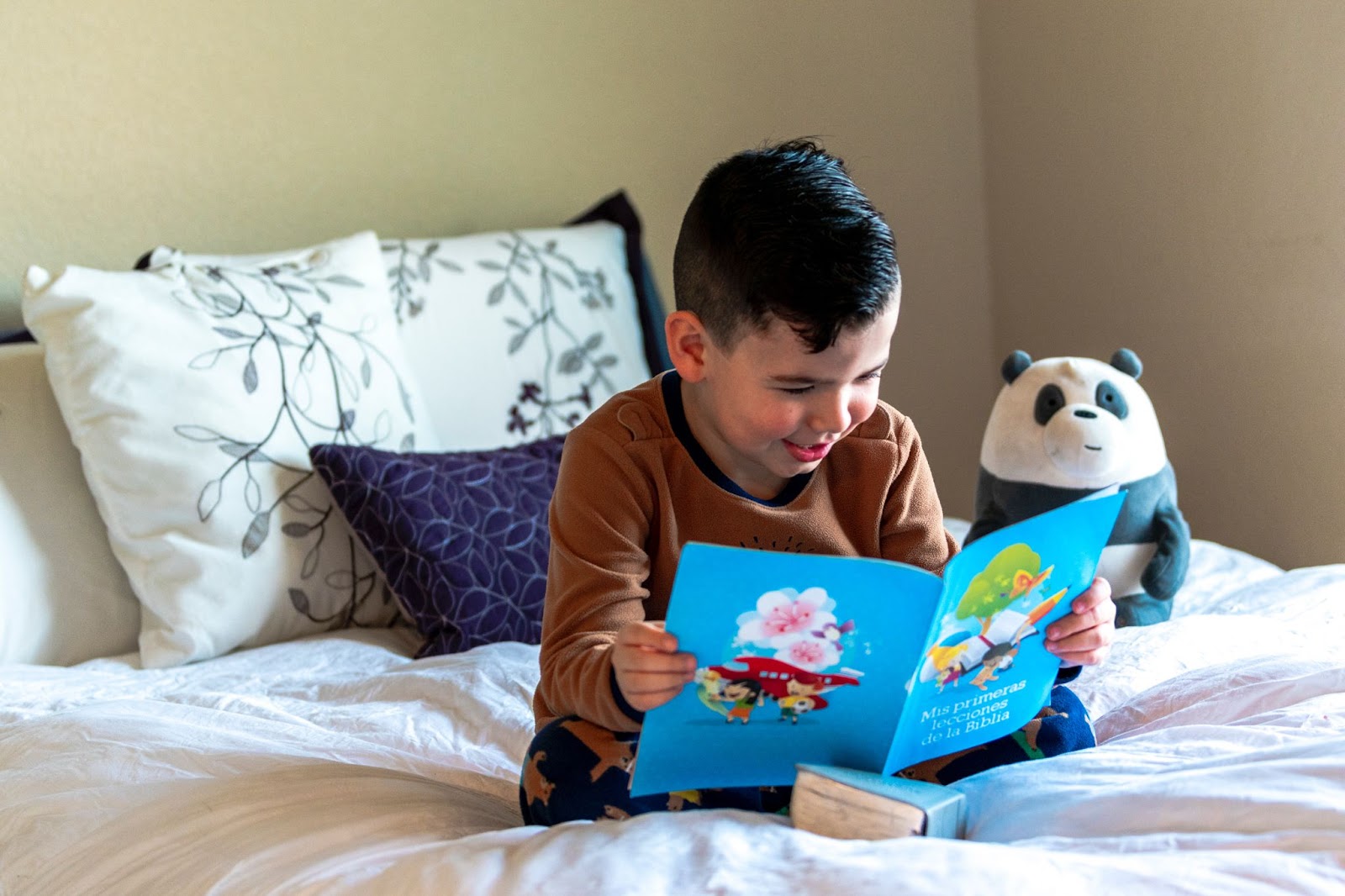
In terms of getting him ready for school, your 3-year-old would benefit a lot by engaging in the following educational activities:
- Coloring with crayons
- Singing (and dancing along to) nursery rhymes and other songs
- Reading books of different kinds
- Counting anything and everything in the house
Craft & Art activities for 3-Year-Olds
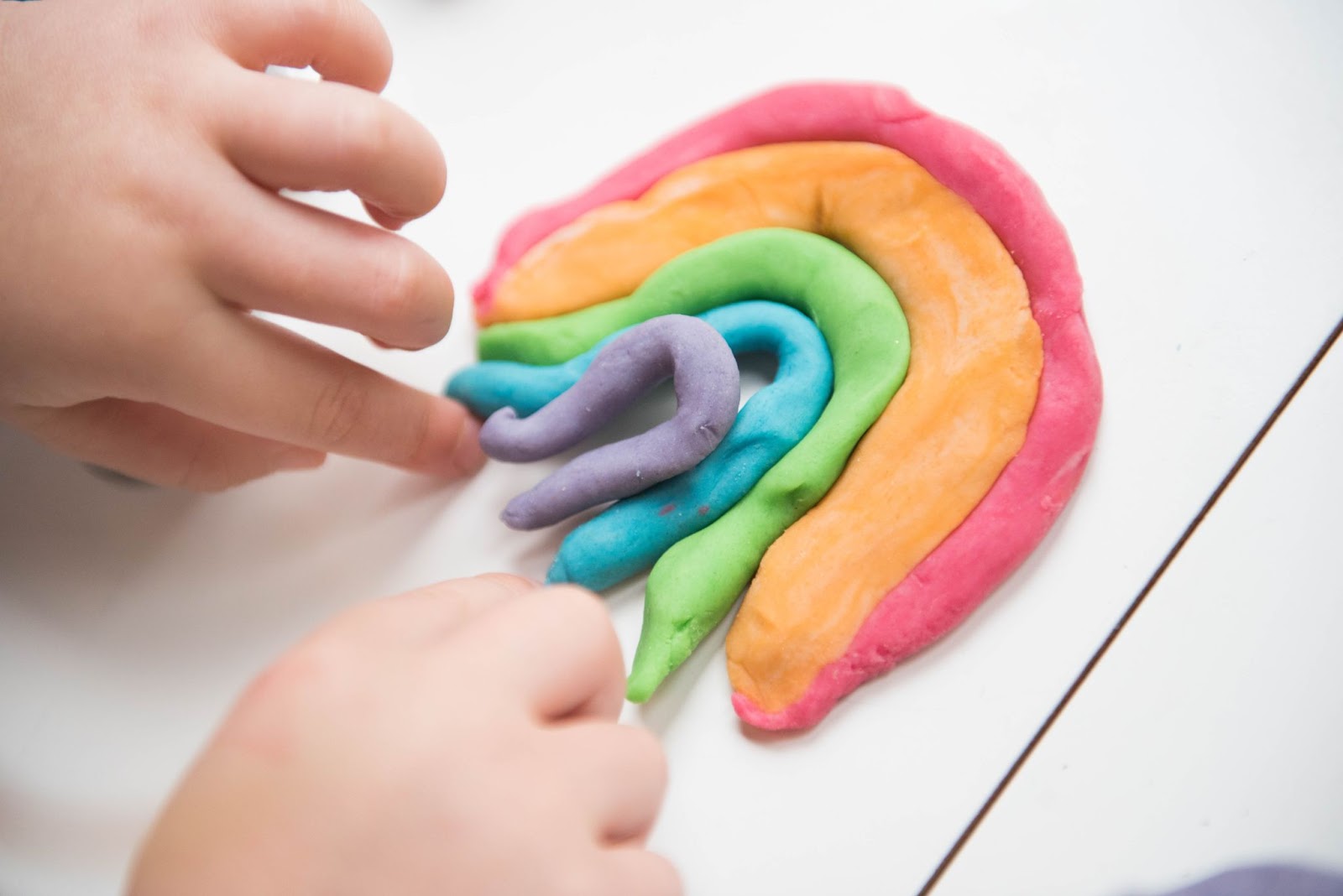
Art and craft activities can help develop your little one’s creativity and imagination. Try the following art and craft activities for your 3-year-olds:
- Bracelet-making using pasta strips and colored straws
- Egg-mosaic painting
- Sculpting animals using dough
- Coloring books
Outdoor Learning Activities for 3-Year-Olds
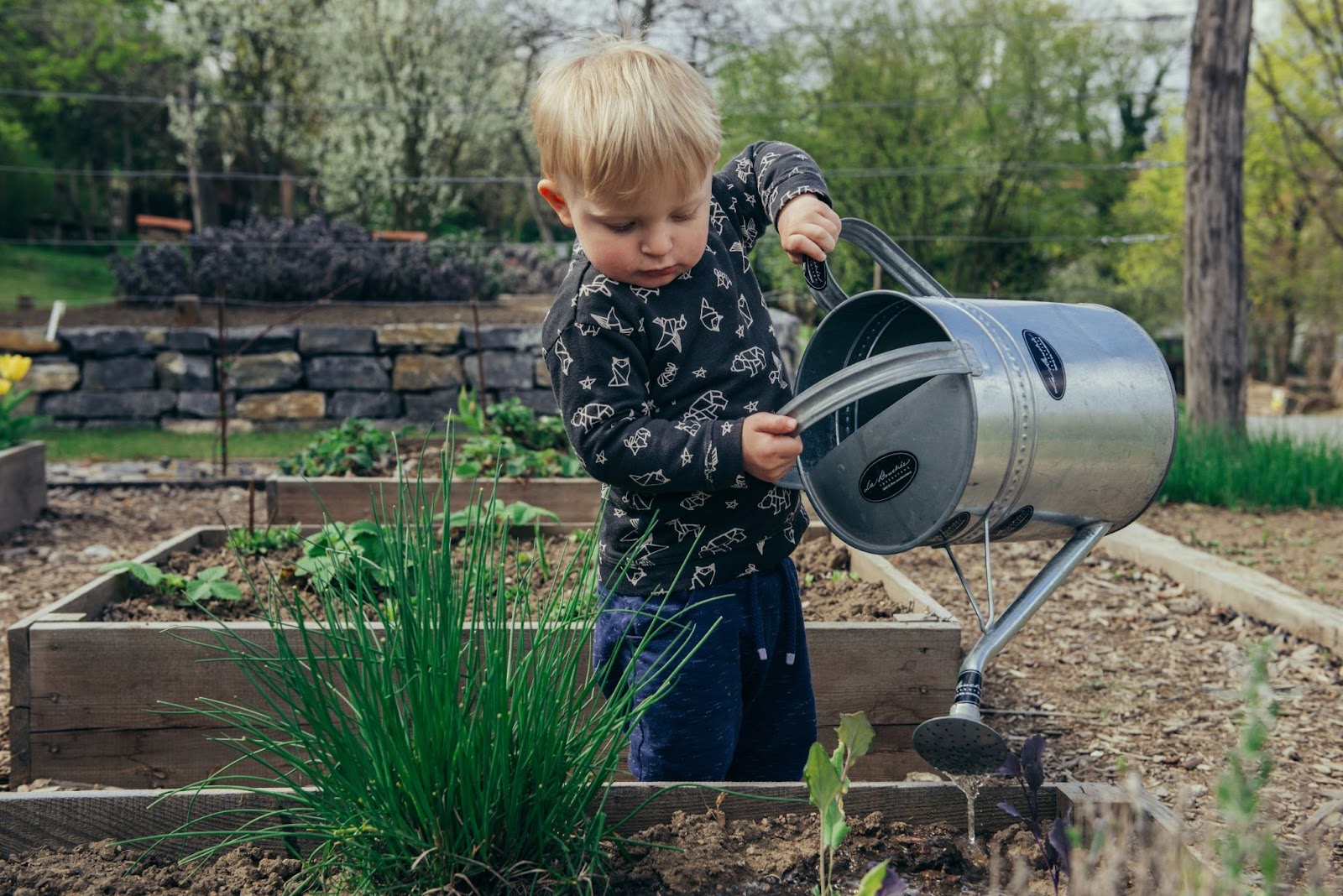
Spending time outside the house is also suitable for your 3-year-old’s development. They provide a whole new set of learning opportunities and an ideal space for exploration. Try the following outdoor activities with your little one next time you’re outside:
- Gardening
- I spy game
- Counting planes that fly by or shells that wash up on the beach
- Identifying shapes and patterns in nature or architecture
- Making chalk artwork on the street
Important Milestones for Three-Year-Olds
By the time your child turns 3, he will be able to:
- Use a spoon for eating
- Put on clothes by himself (with no buttons or laces)
- Ride a tricycle
- Focus on tasks (for 8-9 minutes at a time)
- Hold his urine and bowel long enough to prompt others
- Talk in sentences and converse properly (waits for his turn)
- Say around 500 – 1000 plus words
- Ask “why” questions, among other questions
Learning Activities for Three-Year-Olds
At three, your child is now trying to make more sense of his surroundings and probing his skills. At this point, he is also building confidence in himself and how he deals with others. So, when you take him out for activities, especially those involving interactions with other kids, remember to give him plenty of reassurance.
Frequently asked questions on Fun & Learning Activities for 3-Year-Old
Where can I go with my 3-year-old?
Your 3-year-old can go with you almost everywhere. He can learn plenty of things just by accompanying you to
- The market or the groceries
- The mall
- The church
- The park
- The beach
How do I entertain my 3-year-old all day?
Entertaining your 3-year-old for the whole day is going to be a challenge. And even if you successfully manage to do it today, there’s no guarantee that you will succeed tomorrow or the day after. So, the first thing you will need is a lot of patience.
After this, you’re going to require preparations. Come up with a list of activities for him because no single action can keep your 3-year-old entertained for a whole day. You will need at least 2 to 3 activities per hour, so that you will be making a long list.
You can also change venues. Go out to the park, the beach, the zoo, or anywhere else that provides a different scenario and a new set of stimuli. This should keep him busy for a while.
Lastly, you can invite other toddlers to come over so that he gets a new change in play dynamics.
How many words should a 3-year-old say?
Your 3-year-old should be able to say around 500 words by now. He probably knows or understands around a thousand or more, but he would still only use a portion of that, especially since he only strings about 4 to 6 words a sentence when he talks.
How much playtime should a 3-year-old have?
Children 3 years of age are encouraged to have at least 60 minutes of unstructured or free play and 30 minutes of adult-led play.
What should I be teaching my 3-year-old?
If you want to get your 3-year-old ready for school, then you might want to teach him:
- To write using the pencil grip
- To eat and drink by himself using the proper utensil
- To say his full name, as well as yours (parents)
- To ask help and permission from trusted adults
- To take turns when speaking or playing with others