


Other than being the national birth of the Bahamas, Flamingos have long been used as a symbol of beauty and romance. This comes as no surprise as these birds exude beauty with their pink feathers complemented by grace in their every move!
These unique birds have also been symbols of balance, especially since they can stand on just one foot for long hours. But have you ever wondered how—and why—flamingos do this? That must feel a bit uncomfortable and tiring, right?
Answer this question and learn more interesting trivias about flamingos as you read along! From their colors, diet, and nest-building, there is a lot to learn about flamingos!
Fun Flamingo Facts for the Family
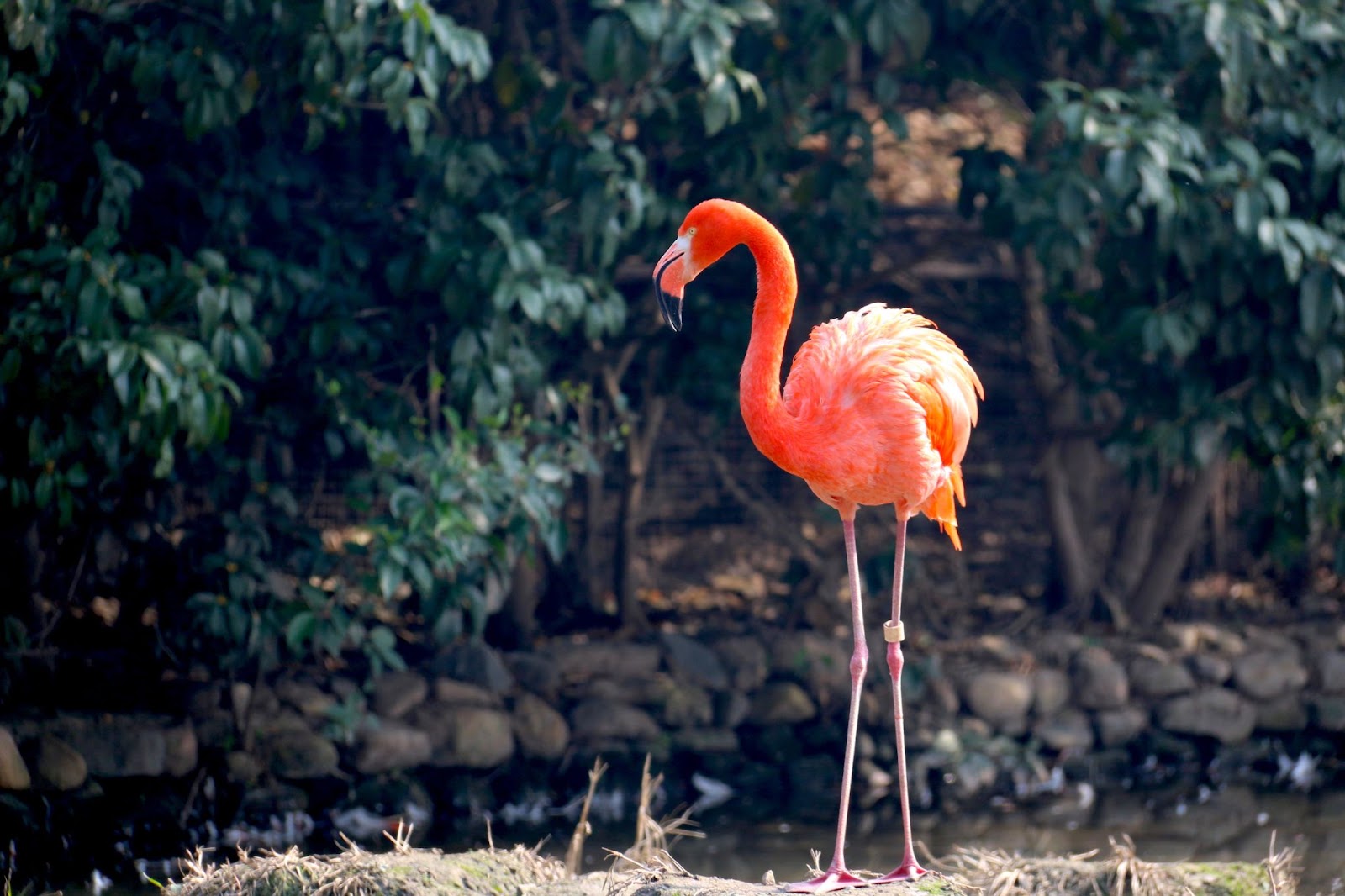
Courtesy of Len
If you are a fan of Disney’s Tiny Ones Transport Service more commonly known as T.O.T.S, you might have been wondering about flamingos thanks to the adorable Freddy. Here’s your chance to talk about these birds with your loved ones.
Here are 9 fun flamingo facts to share with your family!
- Flamingos Only Weigh Four to Eight Pounds
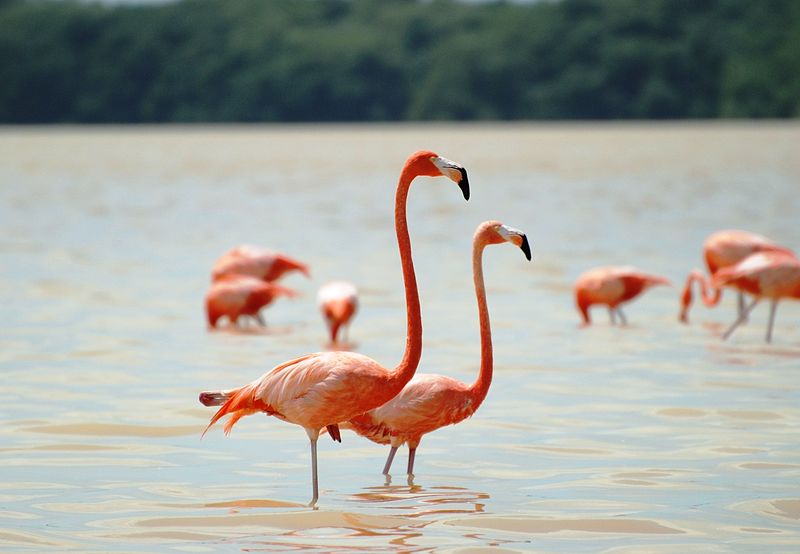
Courtesy of New Hampshire PBS
While there are six different species of flamingo all over the world, they look pretty much alike.
Their long, stilt-like legs and bright pink feathers, flamingos can make them look a bit heavy—but the truth is they are very lightweight! Standing at four to five feet tall with an S-shaped neck, flamingos have an average weight of just four to eight pounds.
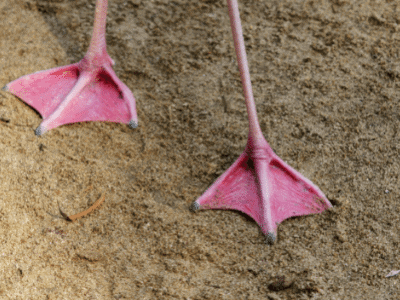
- Flamingos Have Webbed Feet
Courtesy of Bird Sphere
Flamingos can’t endure high and long flights as compared to other birds—and this might be a good thing from a viewer’s point of view. It can be frightening to see flocks of these huge birds flying high in the sky!
To catch up to their needed speed, flamingos need to build up the needed energy first. Once they are already in the air, flapping of wings is needed permanently and quickly to avoid falling.
Their pink, webbed feet help them on this build up, allowing them to gain speed and run on water. When walking on mud, these webbed feet also provide them much needed support through tiny scales that give them grip on otherwise slippery surfaces.
- Their Food Affects Flamingo’s Colors
Courtesy of Pixabay
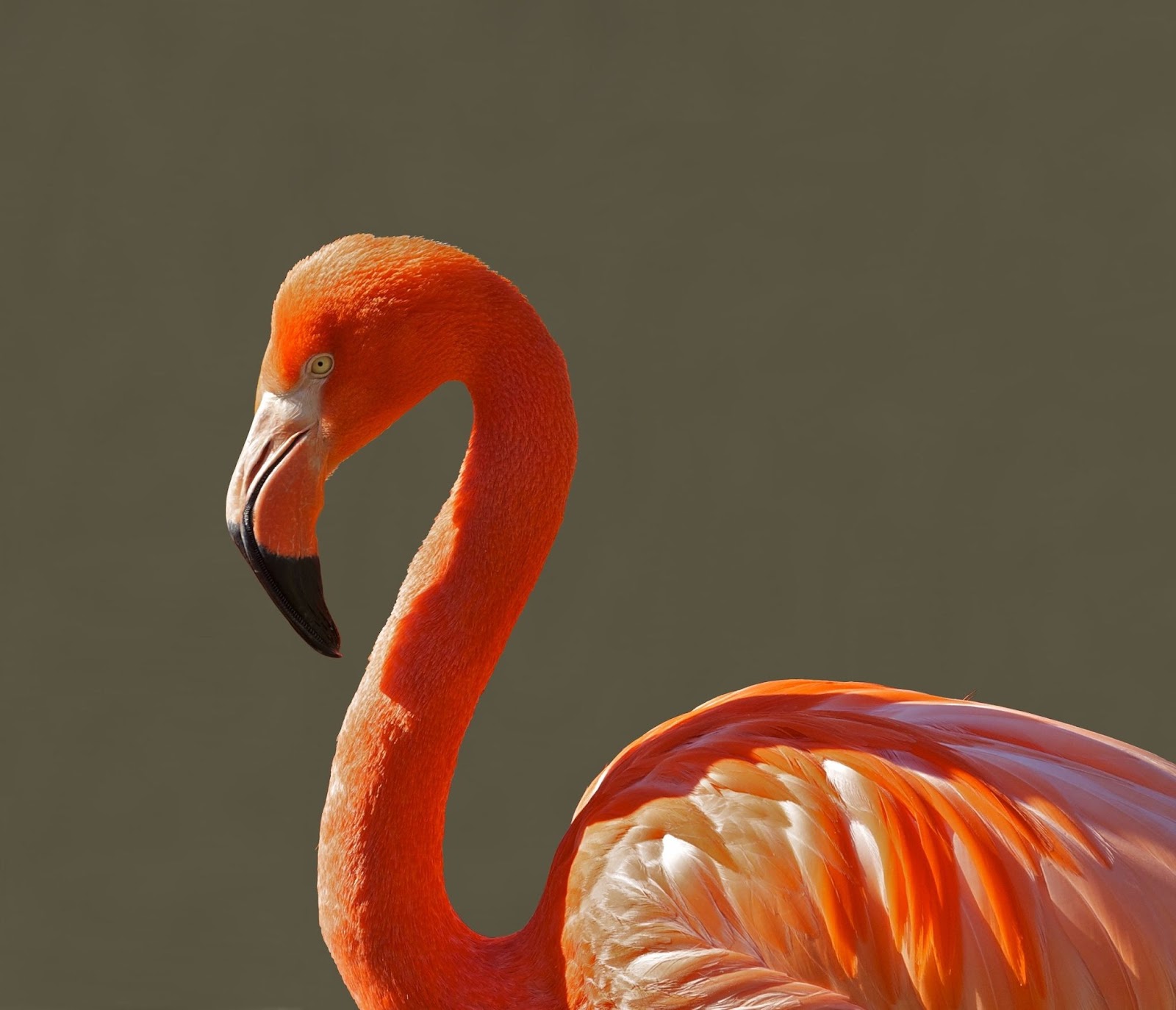
Flamingos are known for their pinkish and orangish color, and a portion of this is affected by the food they eat!
Usually, flamingos eat algae and shellfish, both of which are rich in carotenoids. These carotenoids are the source of the orange color of some foods including carrots. This also applies to flamingos!
Lack of carotenoids, or insufficient diet in general, can actually turn flamingos’ color into white!
- Flamingos Eat By Sucking Water
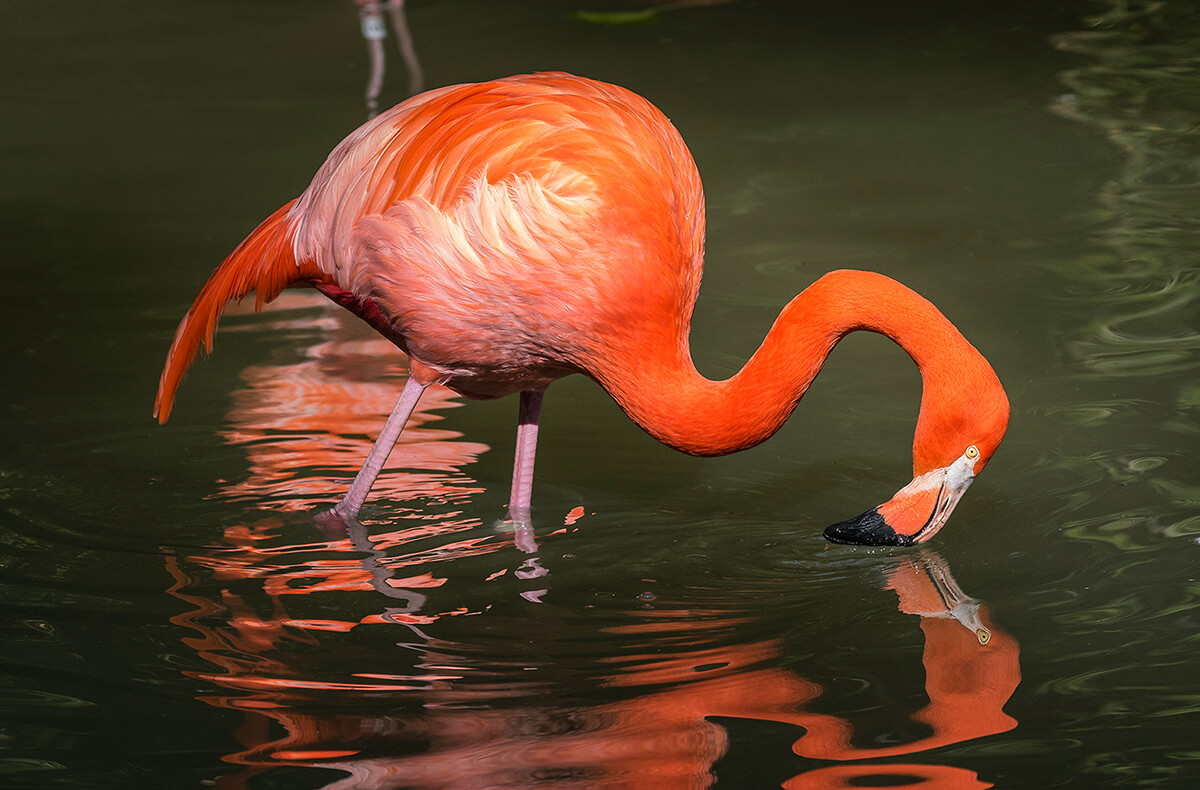
Courtesy of San Diego Zoo
There is something unconventional about the way flamingos eat their meal. Instead of directly picking up their prey, they suck a huge amount of water into their mouths through putting their beaks in water upside down.
They do not need that big chunk of water, though. So they return the big gulp back to the pond, and the tiny planktons and plants that remain in their mouths will go straight to their stomachs!
Flamingos also eat tiny shrimps, fly larvae, algae, and other organisms that can be found on shallow waters!
- Flamingo Nests Are Made From Mud
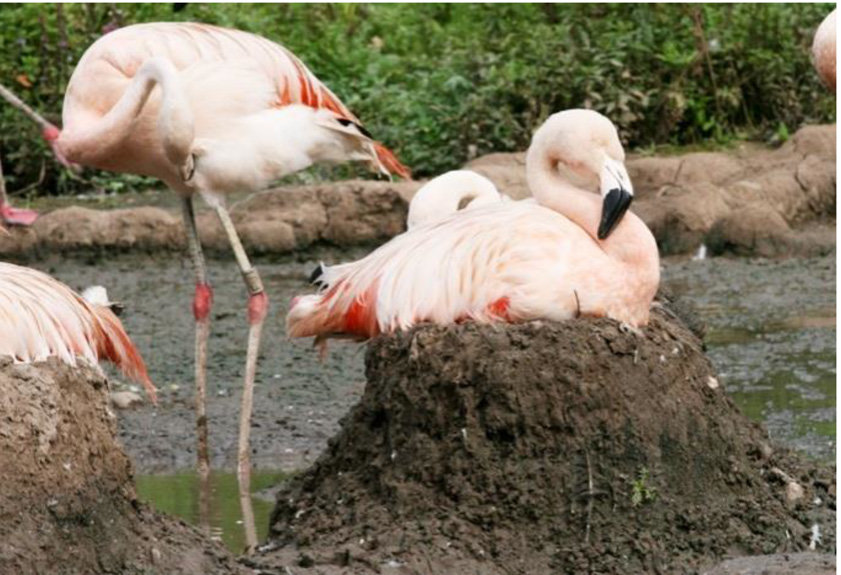
Courtesy of ResearchGate
Since flamingos usually live near low level water like swamps, lagoons, or large salt lakes, they have easy access to mud. So, do not be surprised if you see a nest looking like a mini mud volcano containing one large egg from a flamingo!
When this egg hatches, you can expect it to be grayish white in color with a straight beak. It will take years before their feathers turn pink or orange and their bills into hook shape.
Watch an episode of Disney’s T.O.T.S if you just got more interested in flamingos!
- Flamingos Can Make Their Own Milk
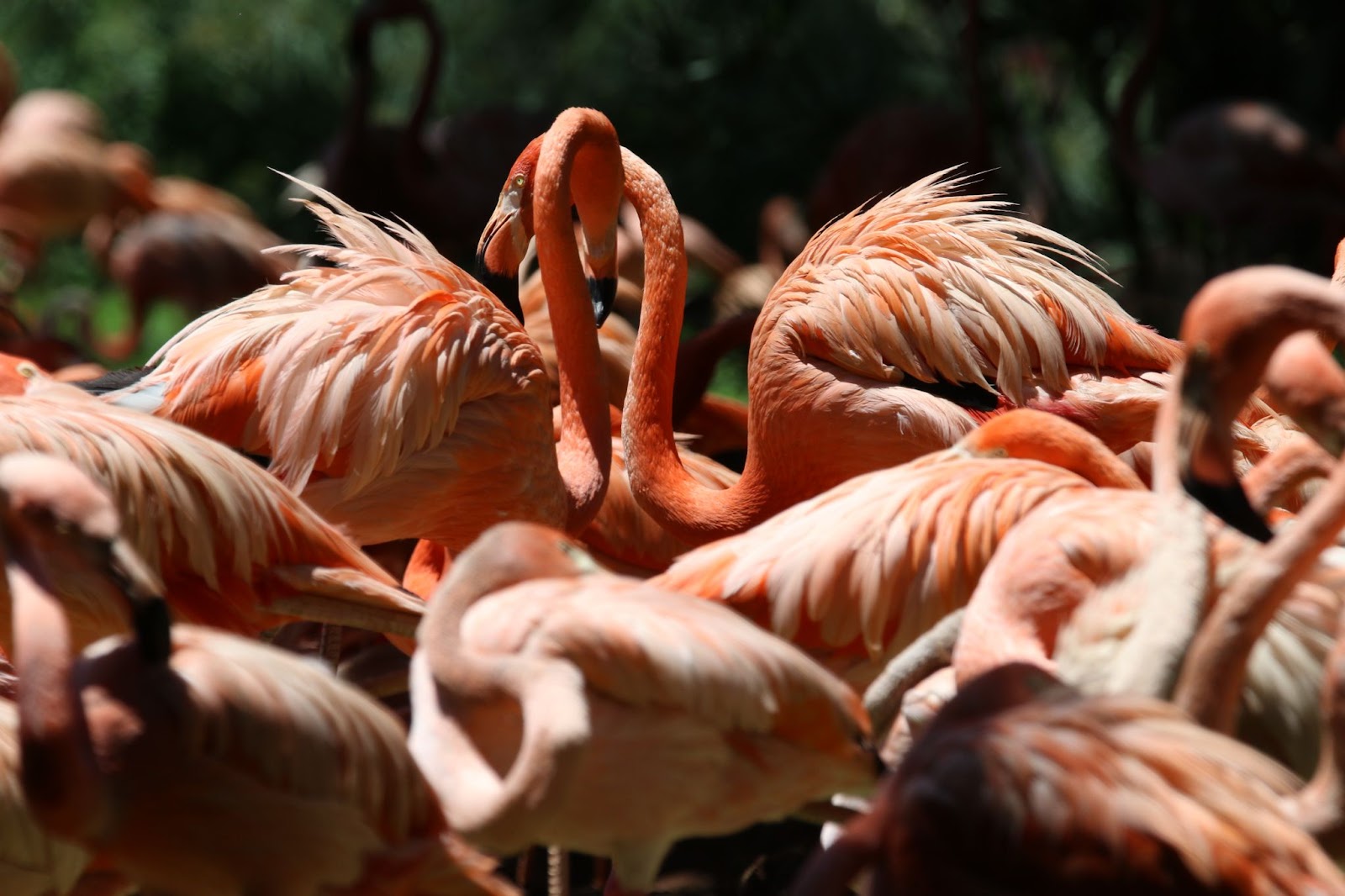
Courtesy of Magda Ehlers
Mammary glands are absent from flamingos, but they can still produce crop milk to feed to their children! This milk comes from a portion of its throat. It then flows up in their mouth before the adult flamingo gives it to their offspring.
Flamingo’s crop milk is also nutritious! It has red and white blood cells, fats, and proteins.
- Flamingos Find It Easier to Stand on One Foot
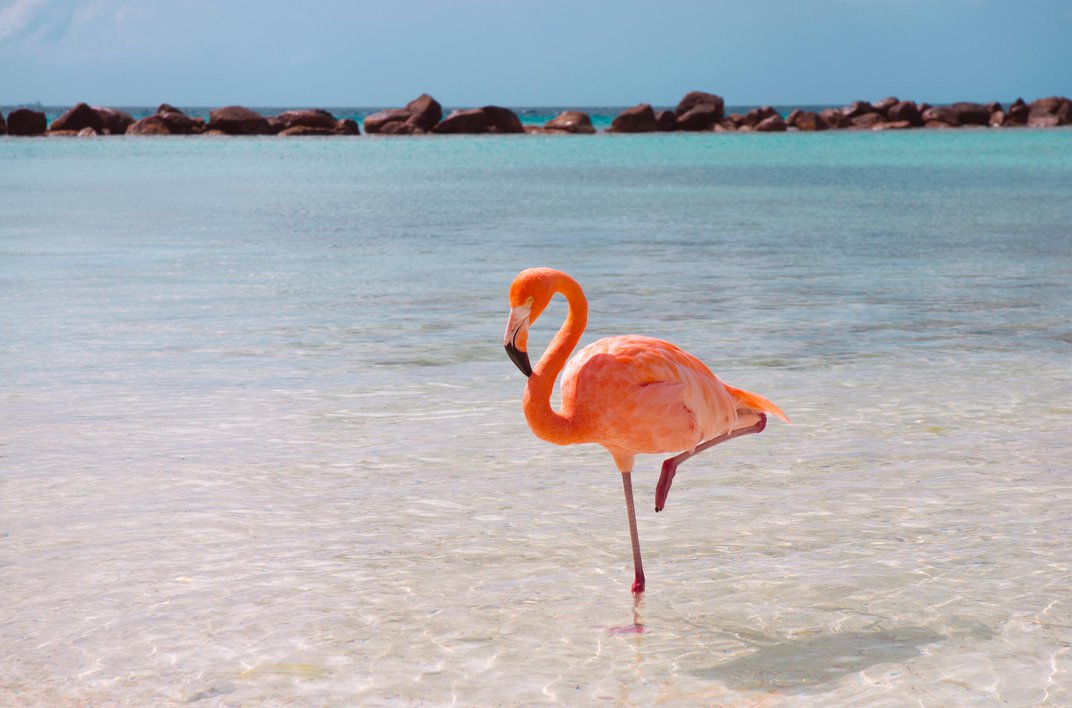
Courtesy of Smithsonian Magazine
You might wonder how flamingos keep their balance amidst standing on one foot for long periods of time. Well, it might be due to years of practice. But it might also be because this stance is actually less tiring!
Because standing on one foot also requires less leg power than standing on both feet, this is actually preferred by flamingos. They get so comfortable that they can even sleep in this position!
Birds also release more body heat through their limbs, so standing on one foot while tucking the other leg under their warm bellies helps flamingos conserve more body warmth. This might also be the reason why they can fall asleep in this position!
But don’t be deceived, when flamingos stand on one foot, the other legs bend not on the knee, but on the ankle! Their knees are located higher up in their legs that they are already underneath the feathers. The folded leg bends on the ankle instead.
- Groups of Flamingos Are Called Flamboyance
Courtesy of zoosnow
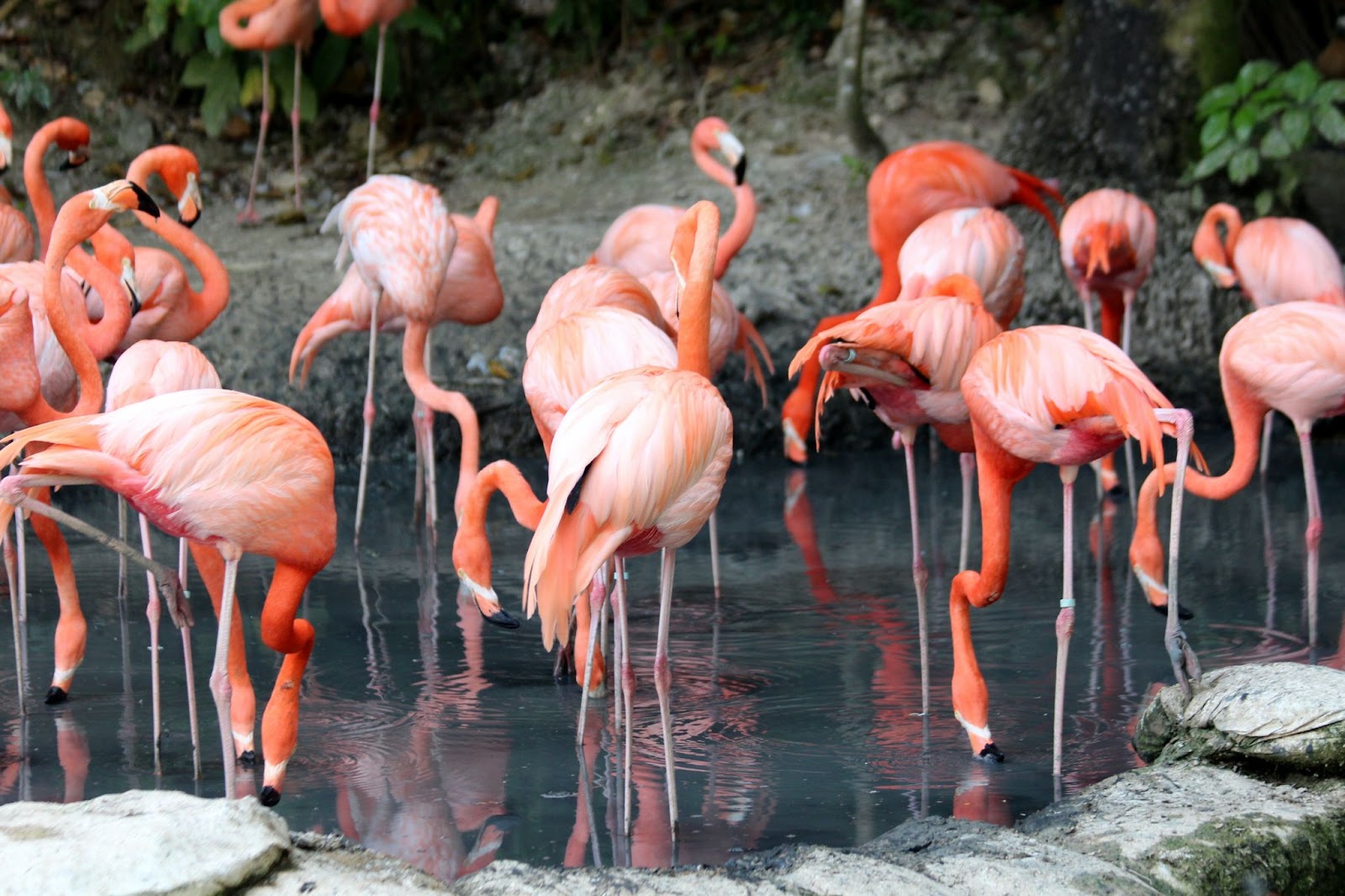
Flamboyance? A mix of the words flamboyant and annoyance? Almost, but not quite! Flamboyance is actually the term used to refer to a group of flamingos.
You might often see a flamboyance given that flamingos are very social animals. They can interact in a group of more than 10,000 birds! Their numbers prove to be beneficial in avoiding and escaping predators, boosting food consumption, and better nesting.
- Flamingos Can Perform in Sync
Courtesy of Wikimedia Commons
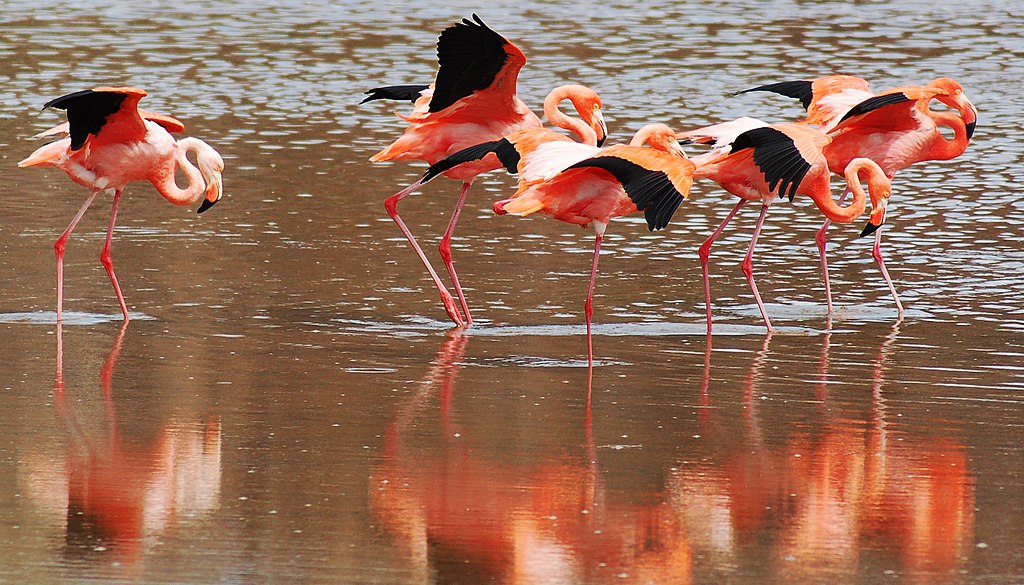
During their breeding season, flamingos display synchronized rituals with each other. They can perform the following:
- Marching — a large flamboyance walking tightly together before a sudden change of direction
- Head Flagging — stretching their necks and holding up their head while turning side to side following a group rhythm
- Wing Salute — stretching their necks while tilting their tails to show contrasting colors of their wings
- Twist Preen — twisting their neck backwards and using their breaks to appear like they’re preening their wings
Watch flamingos dance with this adorable video from National Geographic: These Flamingos Have Sweet Dance Moves | Wild Argentina – YouTube
Frequently Asked Questions on Flamingos
What does the name “flamingo” mean?
Flamingo can be traced back to the Portuguese word flamengo or Spanish flamenco, both of which means “flame-colored”. This was used on the old idea that Flemings, a Belgian ethnic group, had reddish skin color.
Do flamingos migrate?
Flamingos travel short distances at different times of the year to search for enough food to eat. They also look for other places to stay if their home becomes inhabitable.
Can flamingos fly?
Flamingos can actually fly, but not as fast and as far as other birds do! They can fly for 50 to 60 kph or 31 to 27 mph. They travel to look for food, to search for better habitat, or to mate.