


Alligators are large ancient reptiles that prowl the swamps and marshes. These apex predators are frequently feared and are often misunderstood because of their intimidating size and menacing looks. However, there’s a lot more to these animals than just looking like and being cold-blooded killers. Here are 10 interesting facts about alligators.
Their name means lizard in Spanish.
Courtesy of JakeWilliamHeckey
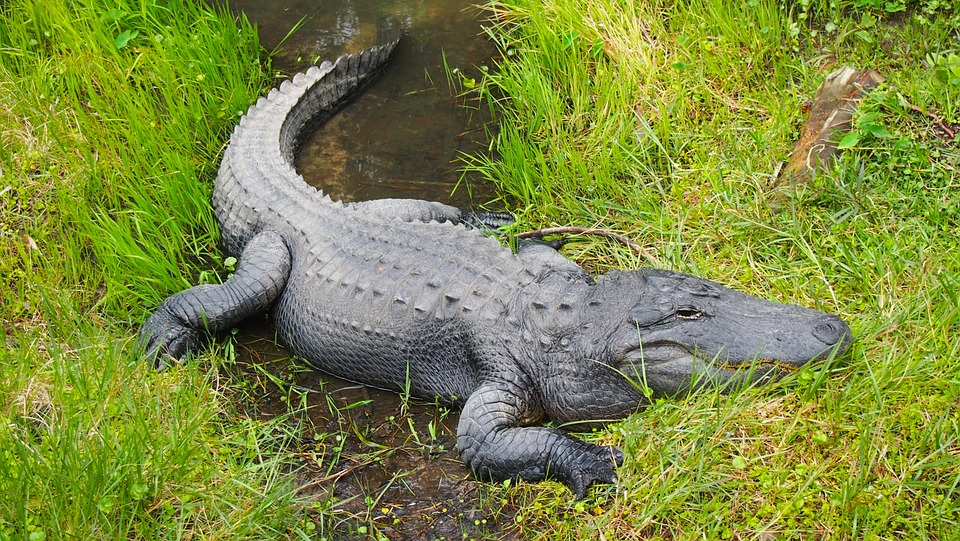
Experts believe that the first Spanish settlers in Florida named these giant reptiles “el lagarto” which means lizard in Spanish. The majority of these giant lizards were, after all, found in lakes, swamps, rivers, bayous, and marshes all over Florida and Louisiana. However, researchers have documented alligators living as far as Mississippi and east Texas.
They can bite 50 times harder than humans.
Courtesy of BBC Science Focus
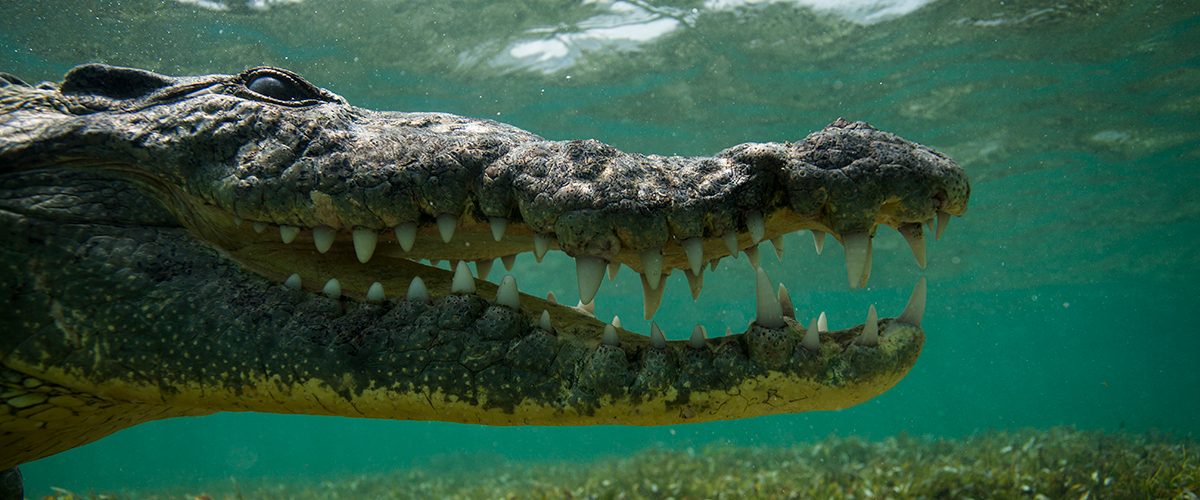
Alligator bites can reach up to 2,900 PSI. Despite coming in only second to the crocodile’s 3,700 PSI bite force, this astounding strength is still so much greater than the average bite force of people (which only reaches up to 70 PSI). For more contrast, the average bite force of lions and tigers only falls between 750 to 1,000 PSI.
They have fascinating teeth.
Courtesy of AZ Animals
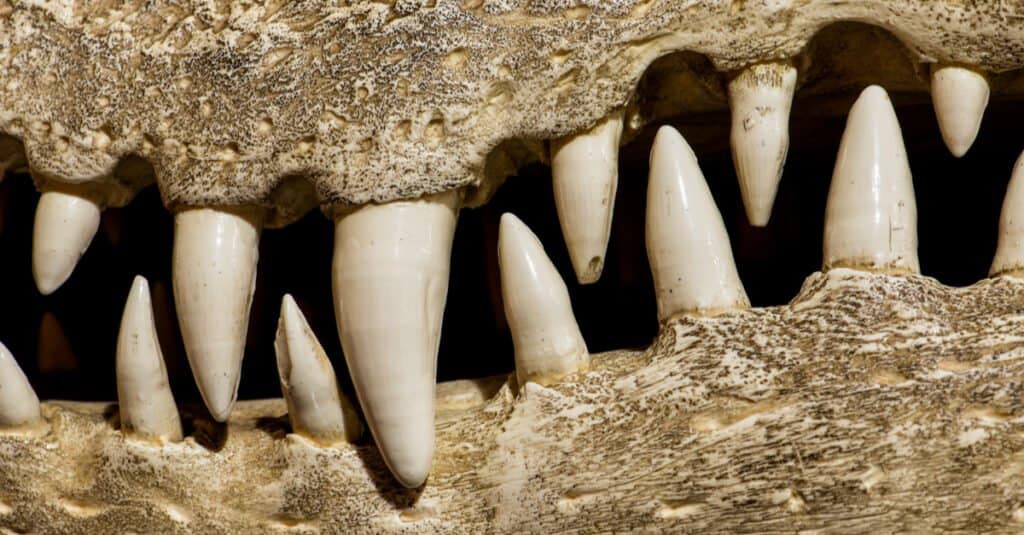
Alligators do not have molars for grinding food, because they don’t chew. They often just crush food with their tremendously powerful bite, then swallow them whole. Instead of flat teeth, alligators have around 80 conical-shaped teeth, which can be replaced as much as 50 times in a gator’s lifetime. This means they could go through as many as 3,000 teeth in total.
They are not picky eaters.
Courtesy of Mateus Rauber
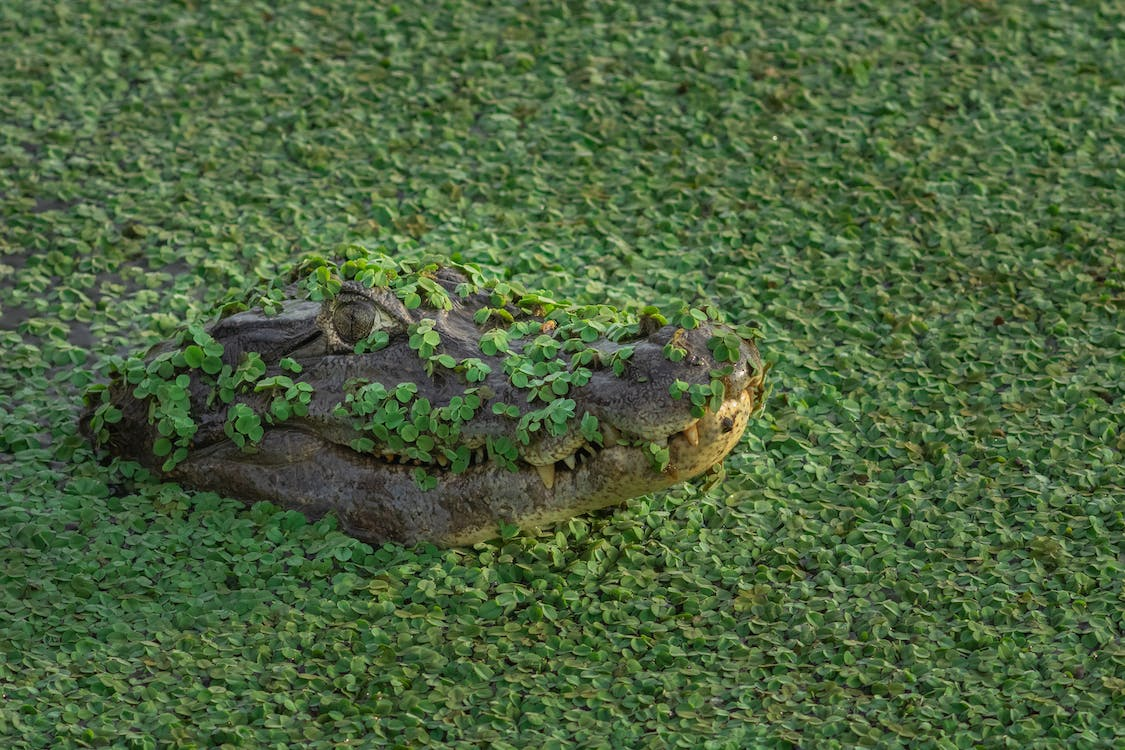
Unlike other predators who typically have a usual set of prey items, alligators are opportunistic hunters. Their diet depends on what is currently abundant and available in their habitats. They can feed on fish, frogs, birds, snakes, turtles, and even small to medium-sized mammals. Recent studies have revealed that these predators are not even strictly carnivorous and that they sometimes deliberately feed on fruits, seeds, and legumes. This has long been suspected because of the seeds that are often found inside the bodies of studied gator remains.
Alligators are closely related to crocodiles.
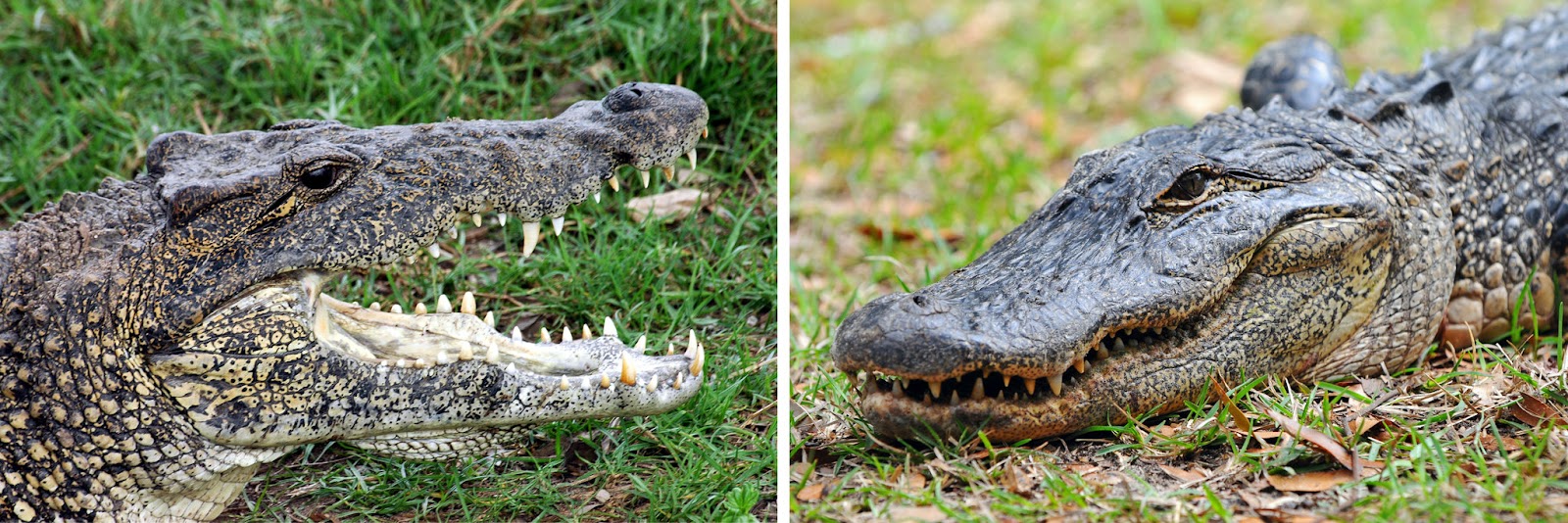
Courtesy of The New York Times
Both alligators and crocodiles belong to the same order, Crocodilia. It isn’t that surprising because their appearances are uncannily similar – from the general shape of the body to their predatory behaviors, even to the way they move on land and in the water. To trained eyes though, their differences are quite obvious – the shape of the snout, the teeth placement, the absence of working salt glands, and their overall territories are telltale signs to help distinguish between the two.
They only occupy freshwater territories.
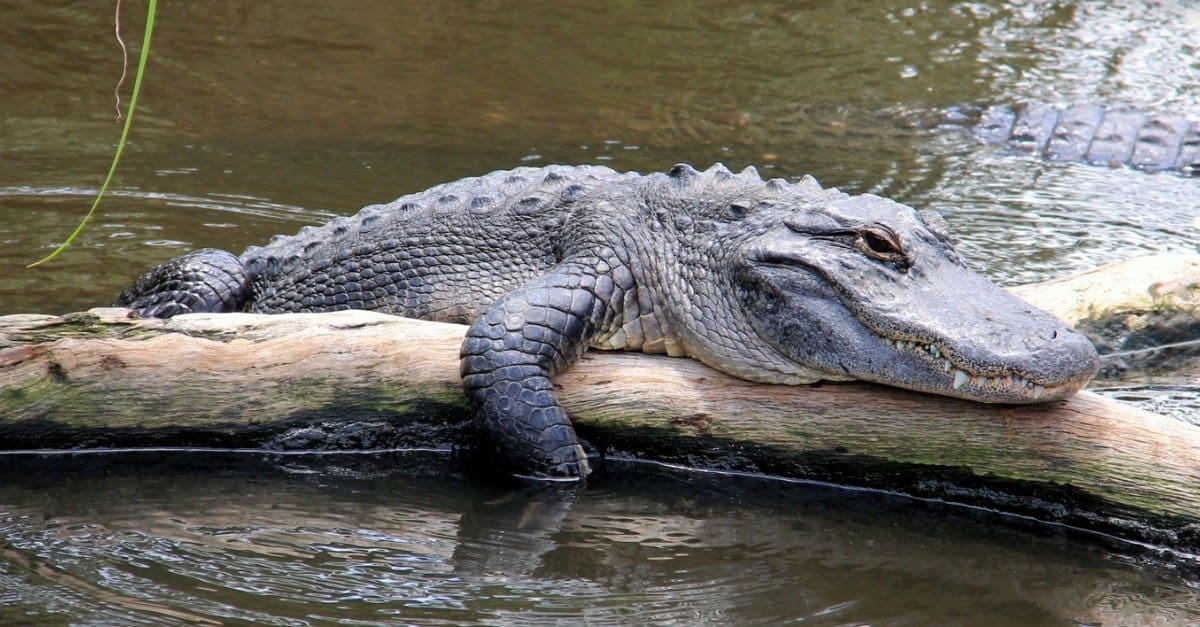
Courtesy of AZ Animals
Unlike crocodiles, alligators do not have functioning salt glands for eliminating excess salts in their body. Because of this, they cannot tolerate water with high salinity. This explains why you can only see them in lakes, rivers, and marshes. The only time they will venture close to saltwater is during times of the year when the estuarine borders are more clearly defined and not mixing easily. Most of the time though, they will stay in their freshwater hunting grounds.
They can grow large too.
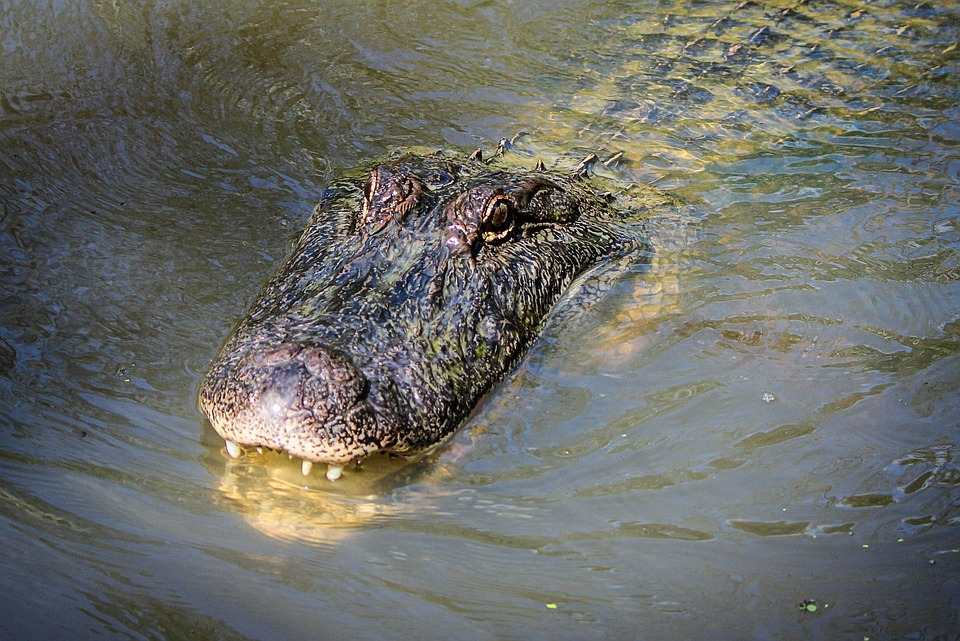
Courtesy of JamesDeMers
Although not as big as crocodiles, alligators can grow large too. The biggest gator on record reached 15 feet and 9 inches long and weighed a whopping 1,011 pounds (almost 460 kg). Unfortunately, the monstrous title-holder was a victim of a licensed alligator hunt in Alabama in 2014. It was called the Stokes Alligator, after the hunter that took it down, Mandy Stokes.
They are excellent swimmers.
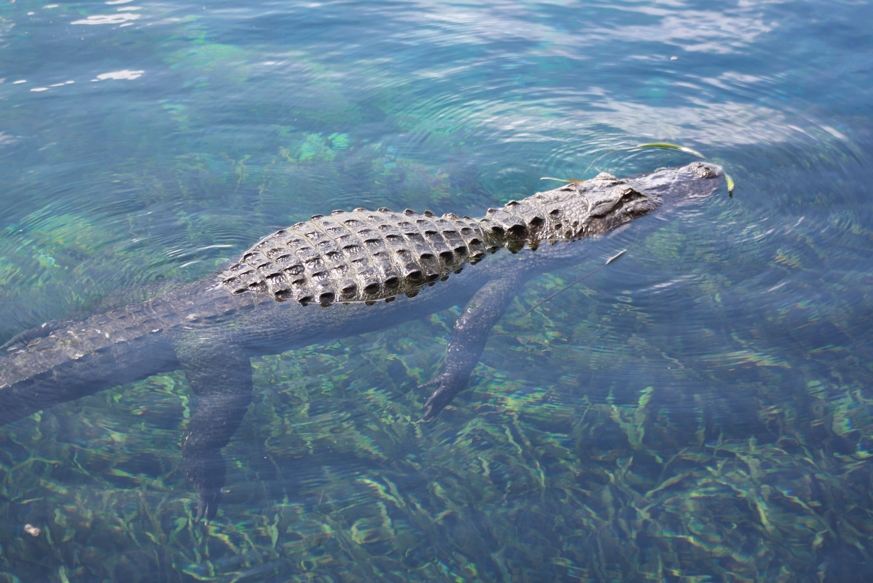
Courtesy of Pinterest
Alligators move sluggishly on land and can only sprint for short bursts before slowing down again. However, it’s a different story when they are in the water. Despite their massive sizes, gators glide almost effortlessly underwater, thanks to their muscular tails. They can swim up to 20 mph (32 kph), which is almost as fast as a bottlenose dolphin (18-22 mph). Moreover, gators can hold their breath underwater for 10-20 minutes easily, by slowing their heart rates down to conserve their remaining oxygen and minimize energy expenditure.
They take care of their young.
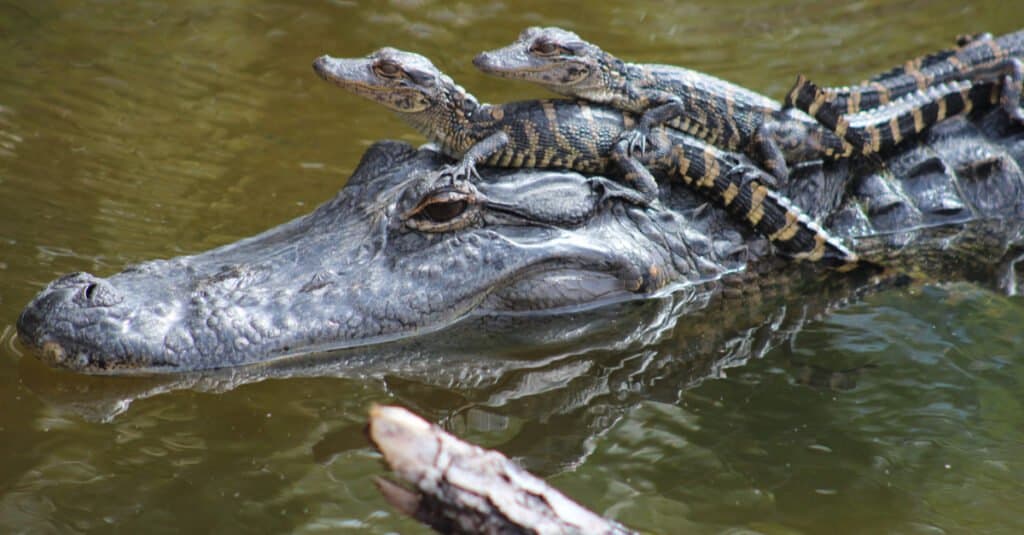
Courtesy of AZ Animals
Despite their menacing looks, alligators are surprisingly nurturing when it comes to their young (well, the mothers at least). While most reptilian parental care ends after the eggs hatch, gator parents (moms) stick around and care for their hatchlings until they are two years of age. By this time, the young gators would be at least 2 feet long and are very much capable of surviving on their own. Sadly though, a lot of them fall prey to bigger alligators (often the larger males).
They have an amazing immune system.
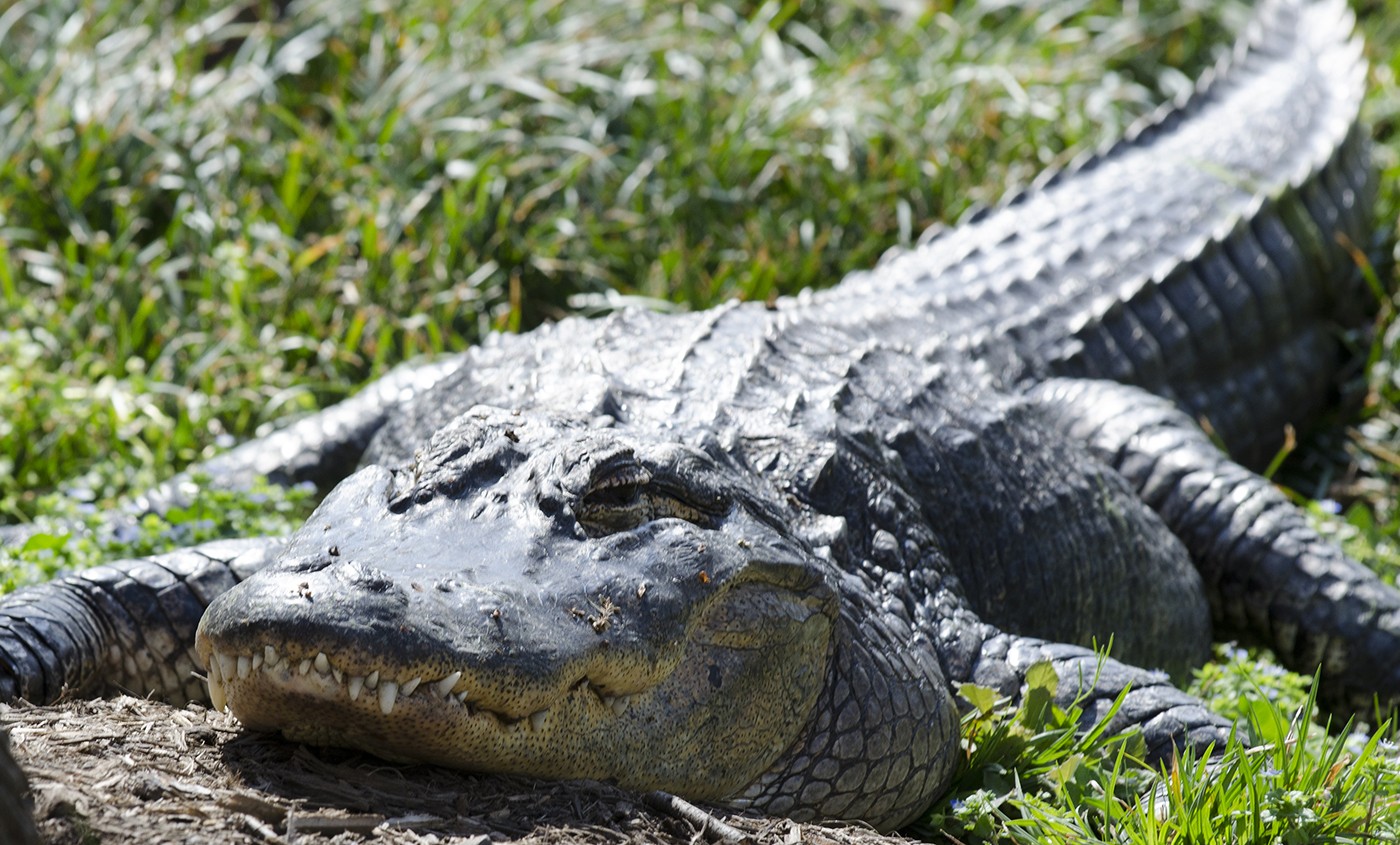
Courtesy of Smithsonian’s National Zoo
Back in 2008, scientists discovered that serum in alligator blood was incredibly effective in reducing bacterial colonies, fungal colonies, as well as viruses. To be specific, certain proteins in the alligator blood were destroying these germs and potentially protecting the gator from infection.
Scientists believe that this potent protection is an evolutionary adaptation that alligators have developed to remain safe in their germ-infested dwellings. Because of this, they can lose a limb, get lacerations, and get punctured by the teeth of other gators and they would still be able to recover without infections in the muddy waters of the marshes.
Frequently Asked Questions
Are alligators intelligent?
Although they have been regarded as near-mindless killing machines, recent studies have shown that alligators (as well as crocodiles) are capable of higher intelligence. They have been observed to communicate with other alligators to hunt prey. They even show extraordinary parental care that is quite uncharacteristic of other reptiles.
Do alligators sleep?
They sleep in different parts of the day and hunt mostly at night. When the sun is out, they will take the chance to warm up (being cold-blooded) and lie motionless on the banks. They may take naps during these times. However, lack of movement does not always mean that they are asleep. To be safe, never approach an alligator, even if it is daytime and they seem like they’re sleeping.
Why do alligators flip over?
Alligators (and crocodiles) flip over or spin when they are trying to subdue or tear prey apart. This maneuver known as a death roll is an adaptation to compensate for the gator’s lack of hands, and therefore the ability to grab and rip prey.