


Sea turtles, or marine turtles, are some of the most majestic creatures on Earth. Something about how they swim gracefully in the water makes them seem captivating. These gentle animals are a sight to behold, and some cultures see them as symbols of strength, luck, and long life.
Sea turtles are an important part of the marine ecosystem, which is why it’s essential to protect these animals and their homes. They’re highly fascinating creatures, with so much to learn about them.
Fascinating Sea Turtle Facts to Share with Your Loved Ones
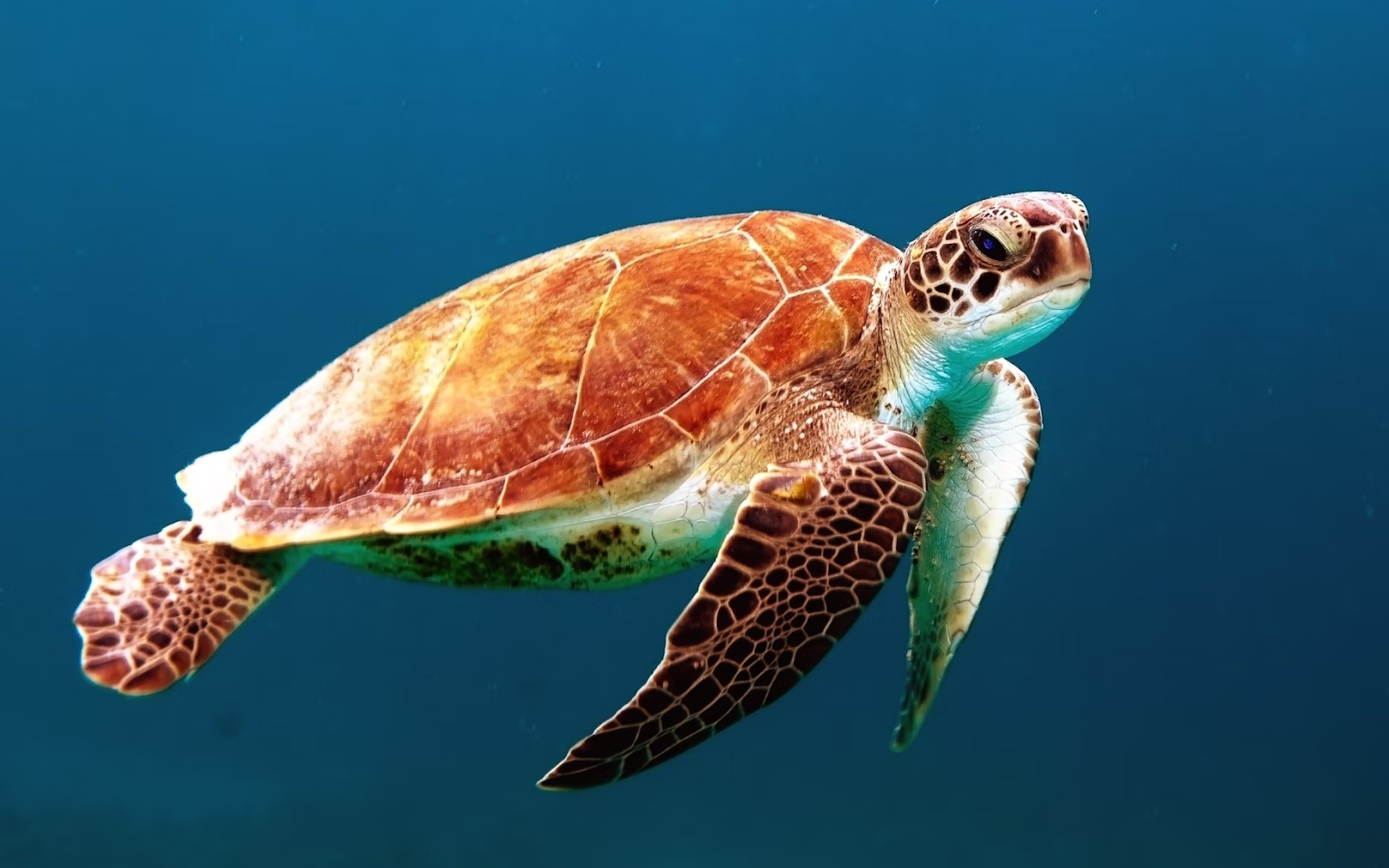
There are currently seven living species of sea turtles on Earth. These are the green, hawksbill, flatback, leatherback, Kemp’s ridley, olive ridley, and loggerhead sea turtles. If you have a loved one who loves sea turtles or animals, why not surprise them with these fun facts?
Sea Turtles Spend Most of Their Time in the Water
Sea turtles are reptiles that need air to breathe, but they spend most of their time in the water. They start their lives on land because that’s where they hatch, but most don’t return to the shores.
Only female sea turtles go back to land, and that’s only when it’s time to lay their eggs. They often return to shore at night and dig deep, circular holes in the sand with their flippers. Then, they lay numerous eggs. The mommy sea turtles then cover the eggs with sand and plants to prevent predators from harming them.
Another cool fact to know is that some female sea turtles also make decoy nests to throw off would-be predators.
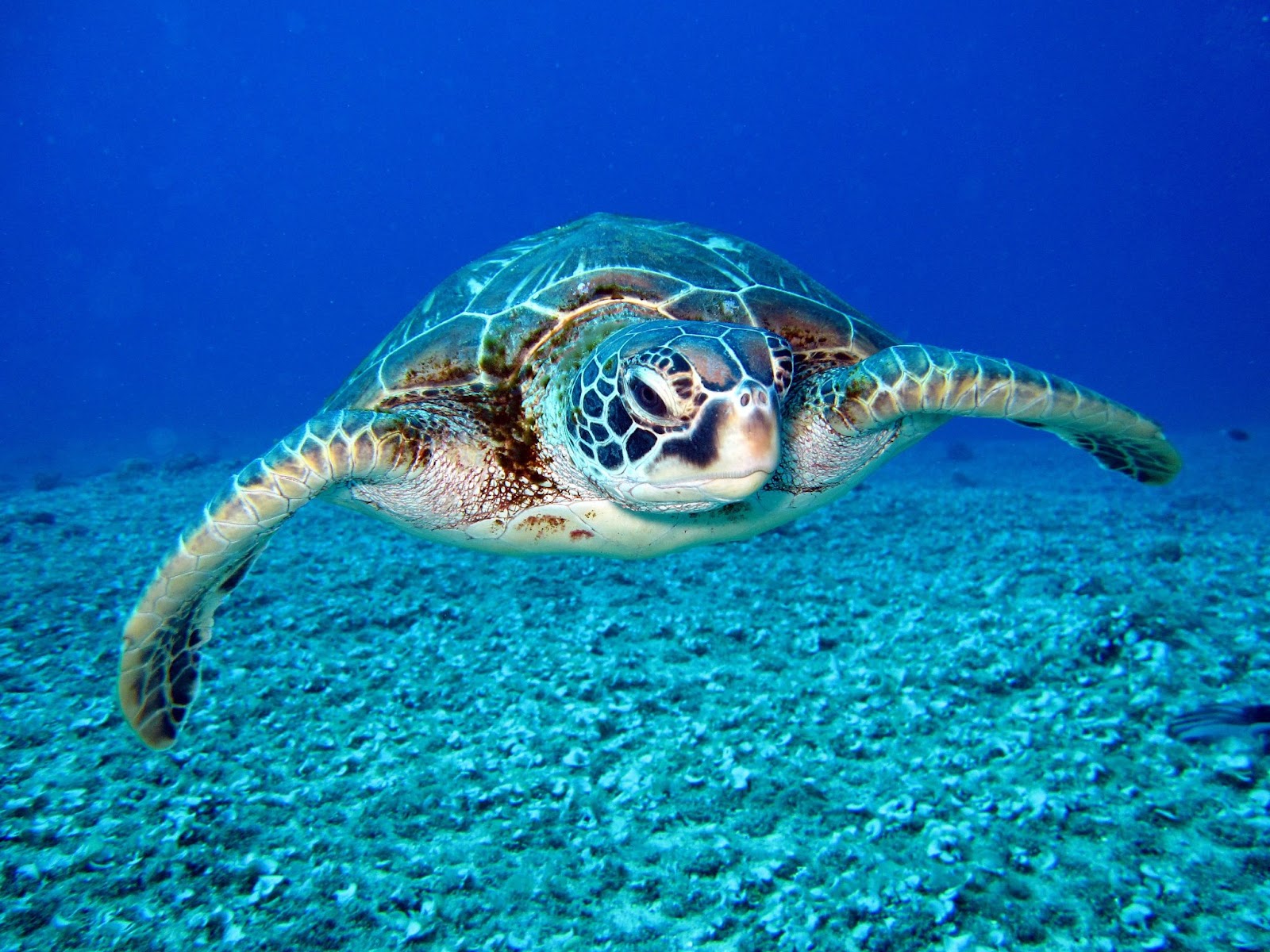
Photo by Richard Segal
Sea Turtles Can Lay Hundreds of Eggs in One Go
When sea turtles lay eggs, they don’t hold back. Depending on the species, they lay anywhere between 50 and 350 eggs in one clutch. Sea turtles typically nest several times a year. After laying eggs and hiding their nests, they return to the sea.
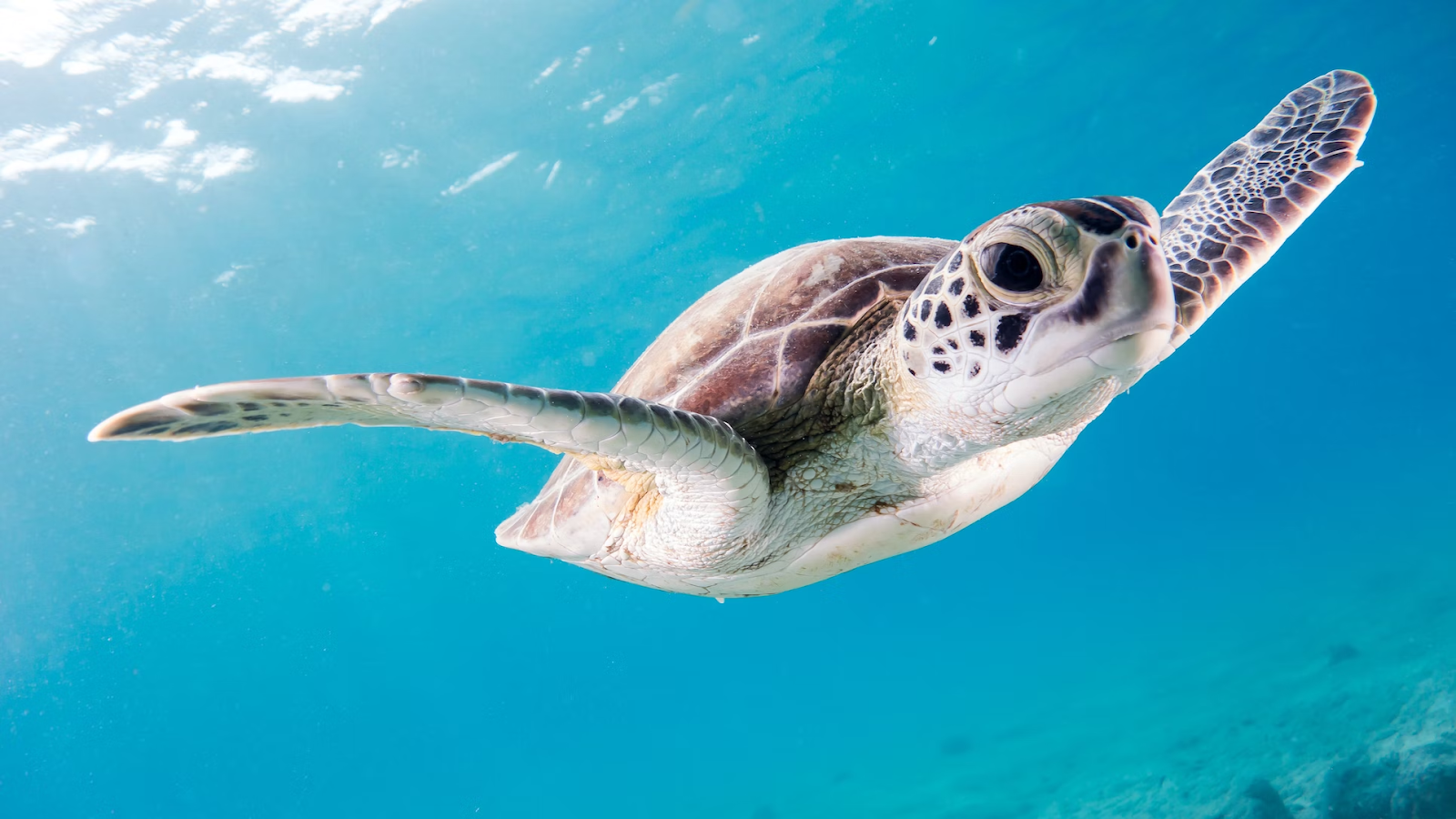
The hatchlings emerge after around two months. Then, they dig their way out of the nests and hurry toward the sea. Baby sea turtles are small and vulnerable, so they must be quick and avoid predators.
Sand Temperature Can Determine If the Eggs Will Hatch Boy or Girl Sea Turtles
Whether an egg hatch a boy or a girl sea turtle depends on how warm the sand is. Cooler sand temperatures will produce boys, while warmer sand temperatures will produce girls.
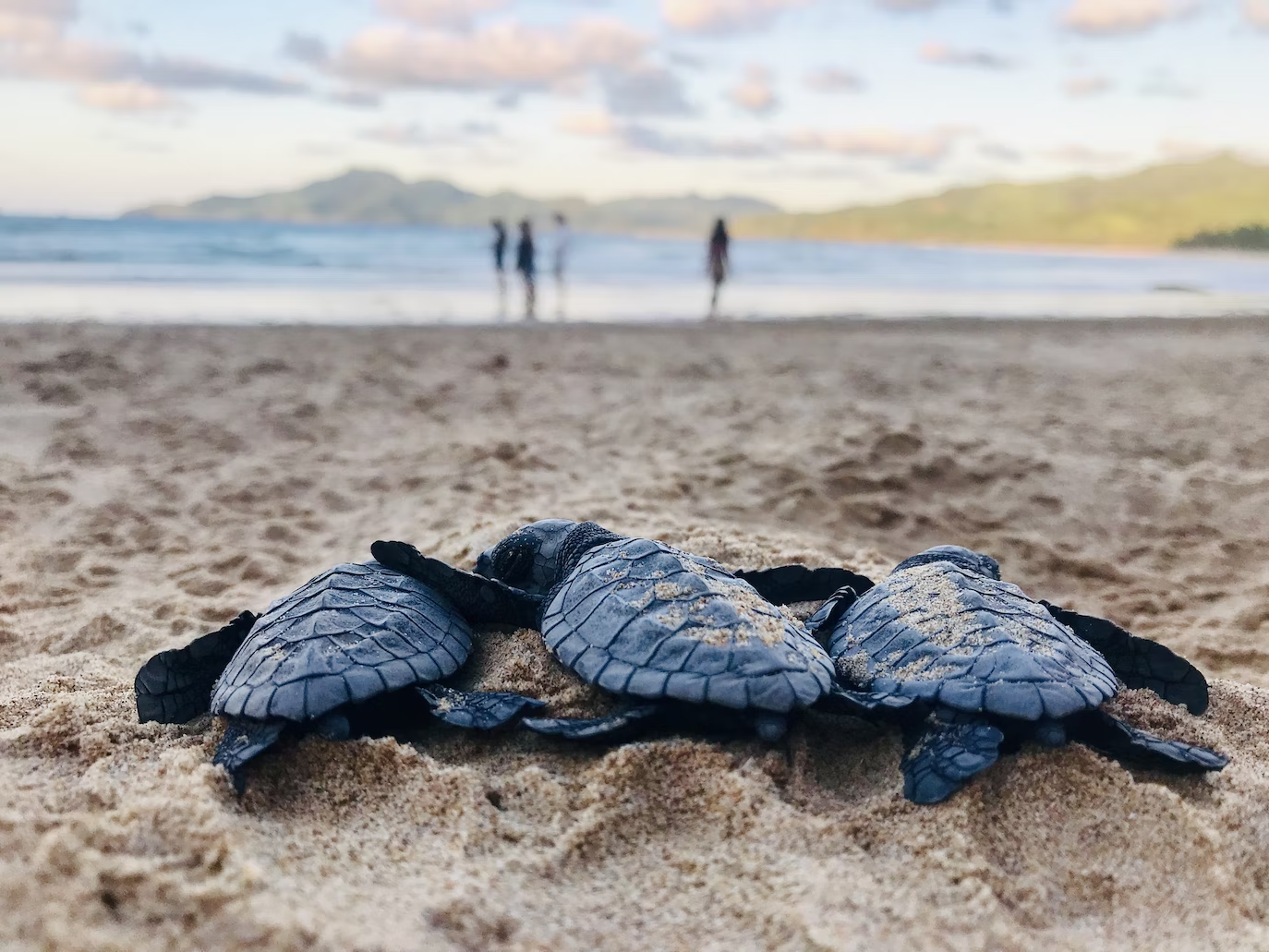
Sand temperatures may also fluctuate over the incubation period. When this happens, the eggs in the nest will hatch a mix of males and females. Isn’t that fascinating?
Sea Turtles Migrate Long Distances
Because sea turtles return to shore when it’s time to lay eggs, they make long journeys from the open sea to the beach. They often return to the same beaches where they hatched, then return to the oceans where they feed, sleep, and mate.
Some sea turtles, like the leatherback, can travel around 3,700 miles (5,955 km) each way. Now, that’s dedication!
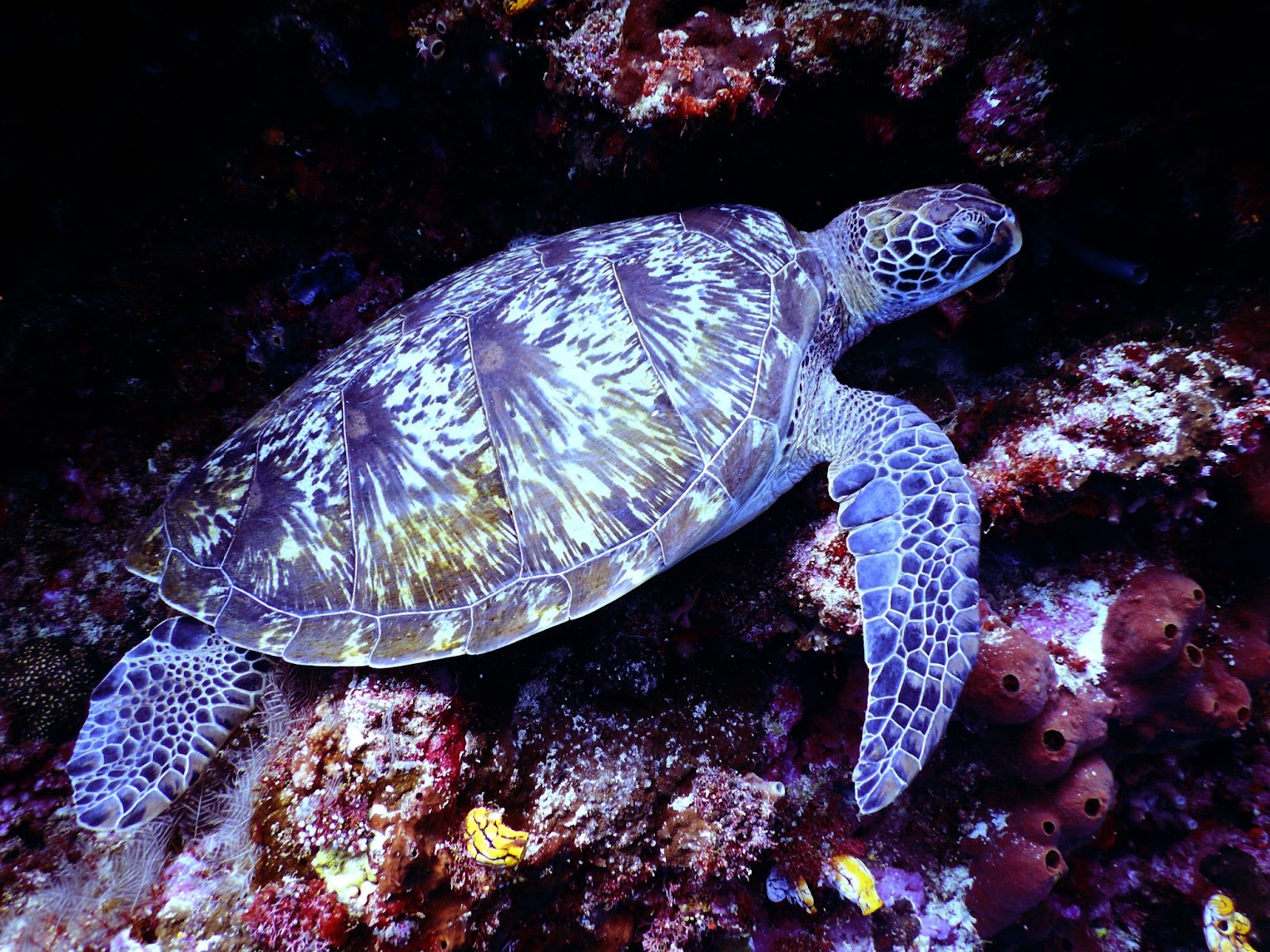
Photo by Tom Fisk
Sea Turtles Can’t Retract into Their Shells
Have you ever seen a turtle pull its head, limbs, and tail back into its shell? Many turtles do this to protect themselves from animals who may want to attack them. After all, their shells are super hard. However, you may be surprised to know that sea turtles can’t do this.
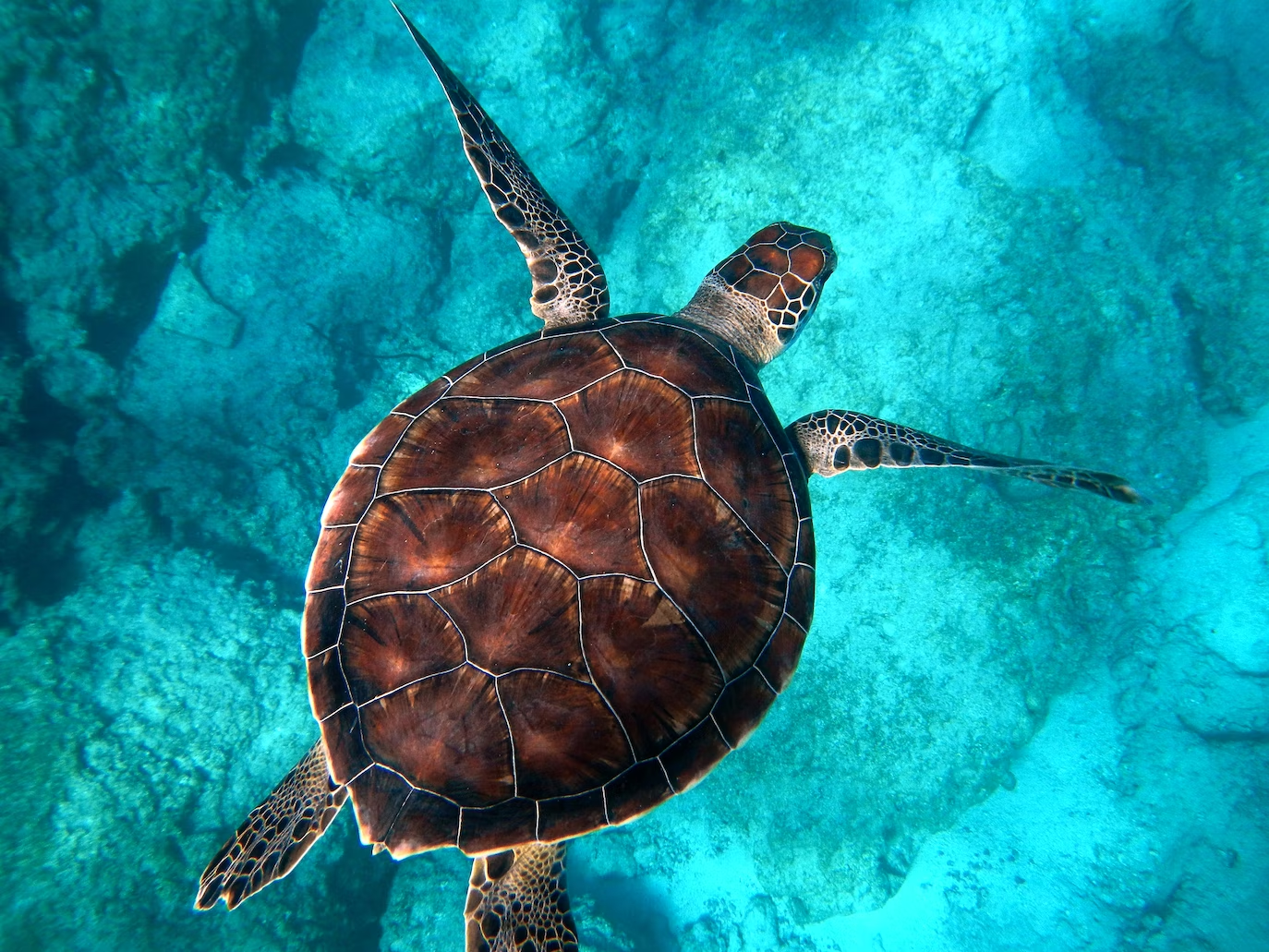
Sea turtles have huge flippers and heads, so they can’t fully hide in their hard shells. Because of this, they’re more vulnerable to predators and getting caught in nets by human fishers. This may not be a “fun” fact, but it’s interesting to note regardless.
Most Sea Turtles Are Omnivores
The diet of sea turtles varies by species. For instance, adult green sea turtles are fully herbivorous (plant-eating) and eat mostly seaweed, while hawksbill sea turtles mainly eat other animals, such as sea sponges. Leatherbacks are also carnivorous, feeding mostly on jellyfish and sea squirts.
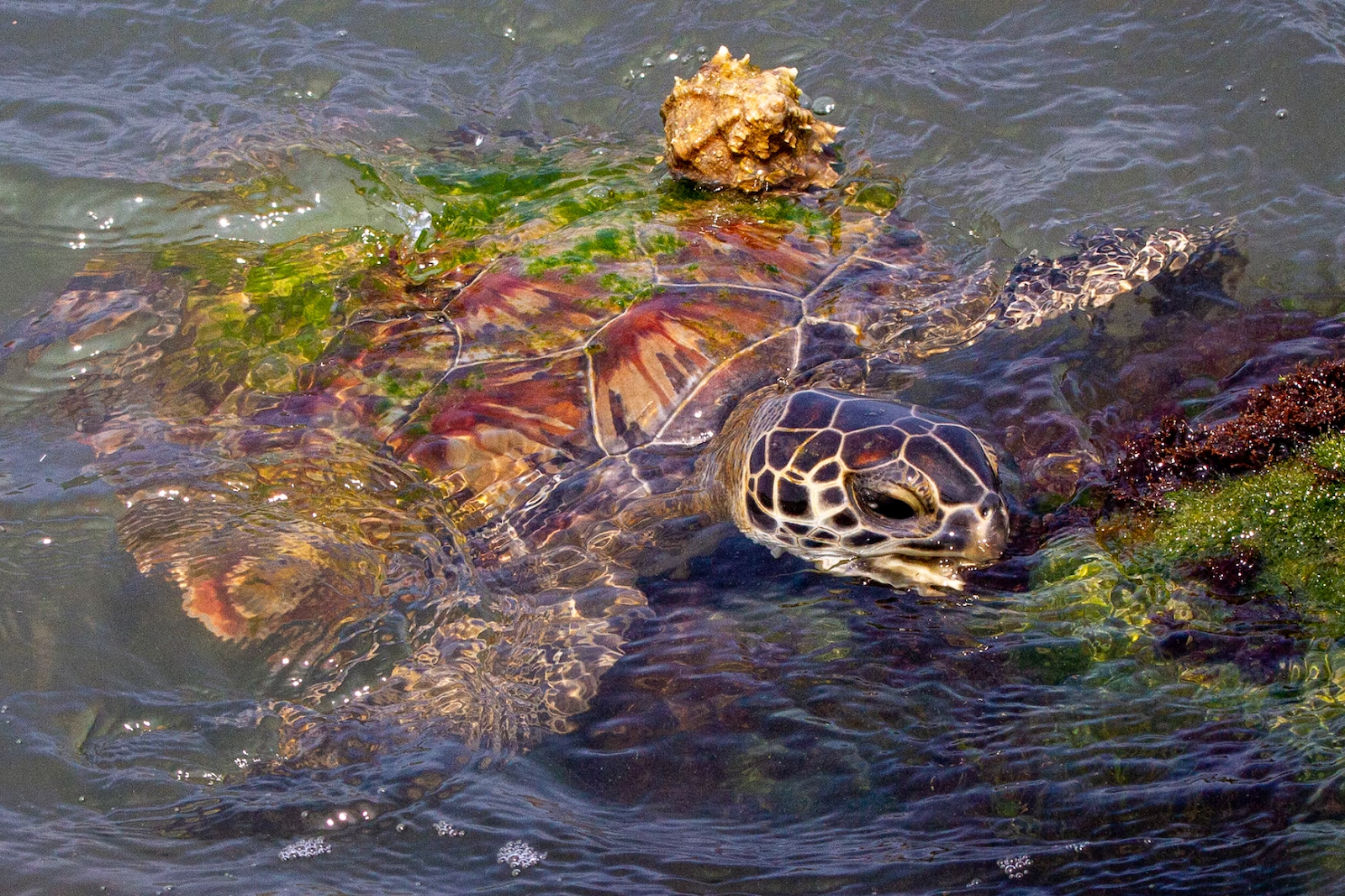
Most species of sea turtles (including young green sea turtles) are omnivores that eat a mix of plants and animals.
Sea Turtles Are Important for the Environment
Because sea turtles feed on jellyfish, sea sponges, crustaceans, and other forms of marine life, they help control the populations of these creatures. Because of this, they prevent them from overtaking and disrupting the local ecosystem. Feeding on seagrass and sea sponges can also help improve current flows and the distribution of nutrients in the area.
Some plants and animals, like algae and barnacles, also cling to the shells of sea turtles. Because of this, sea turtles help support a healthy and complex food web in their marine habitats. That is why it’s so important to protect these creatures!
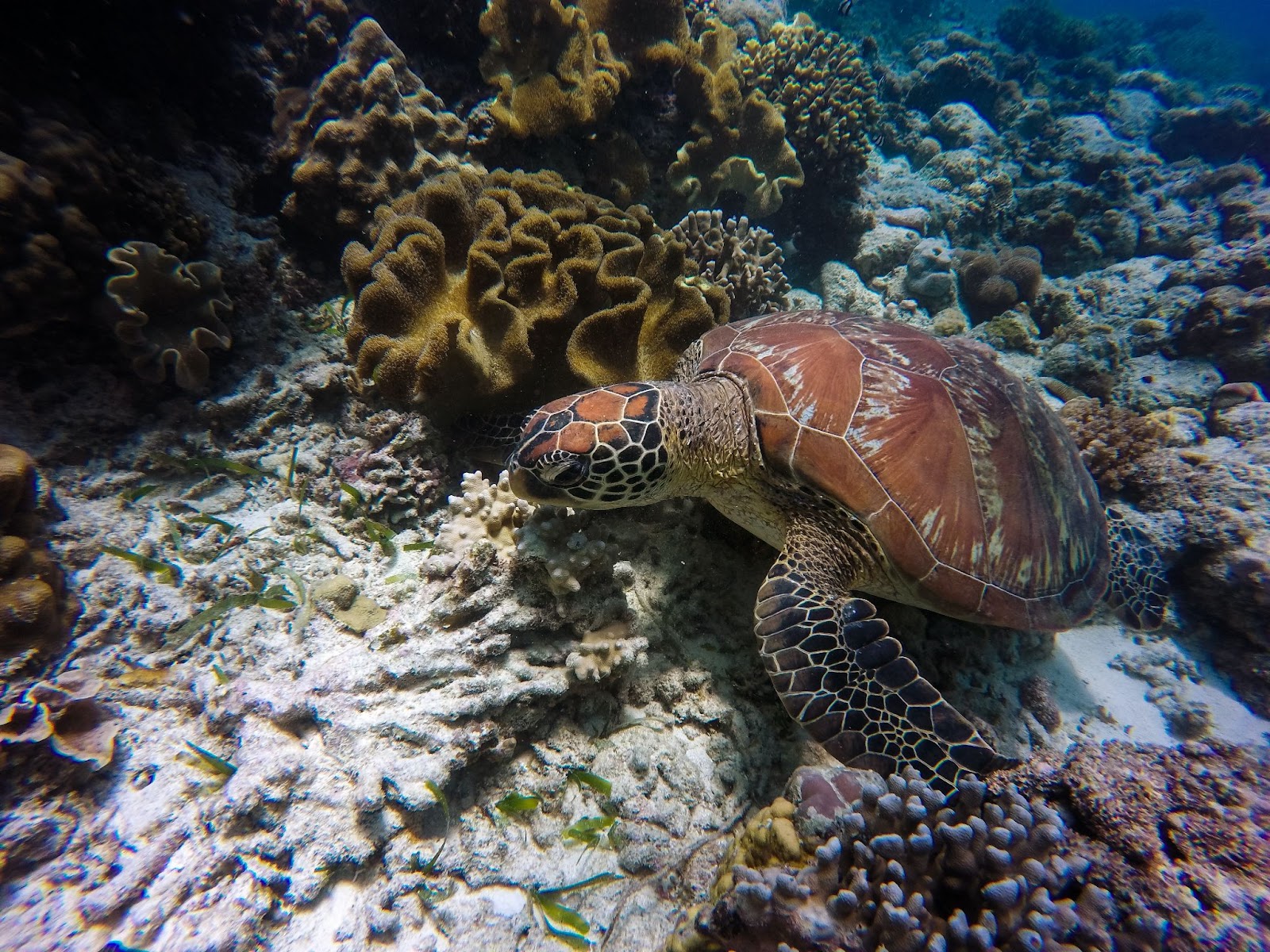
Photo by John Cahil Rom
The Largest Sea Turtle Weighed Over 2,000 Pounds
Although baby sea turtles are small and are only around 2 to 3 inches (5 to 8 cm) long, they can grow pretty big. The largest species is the leatherback. Their large adult size makes it harder for predators like sharks to grab them.
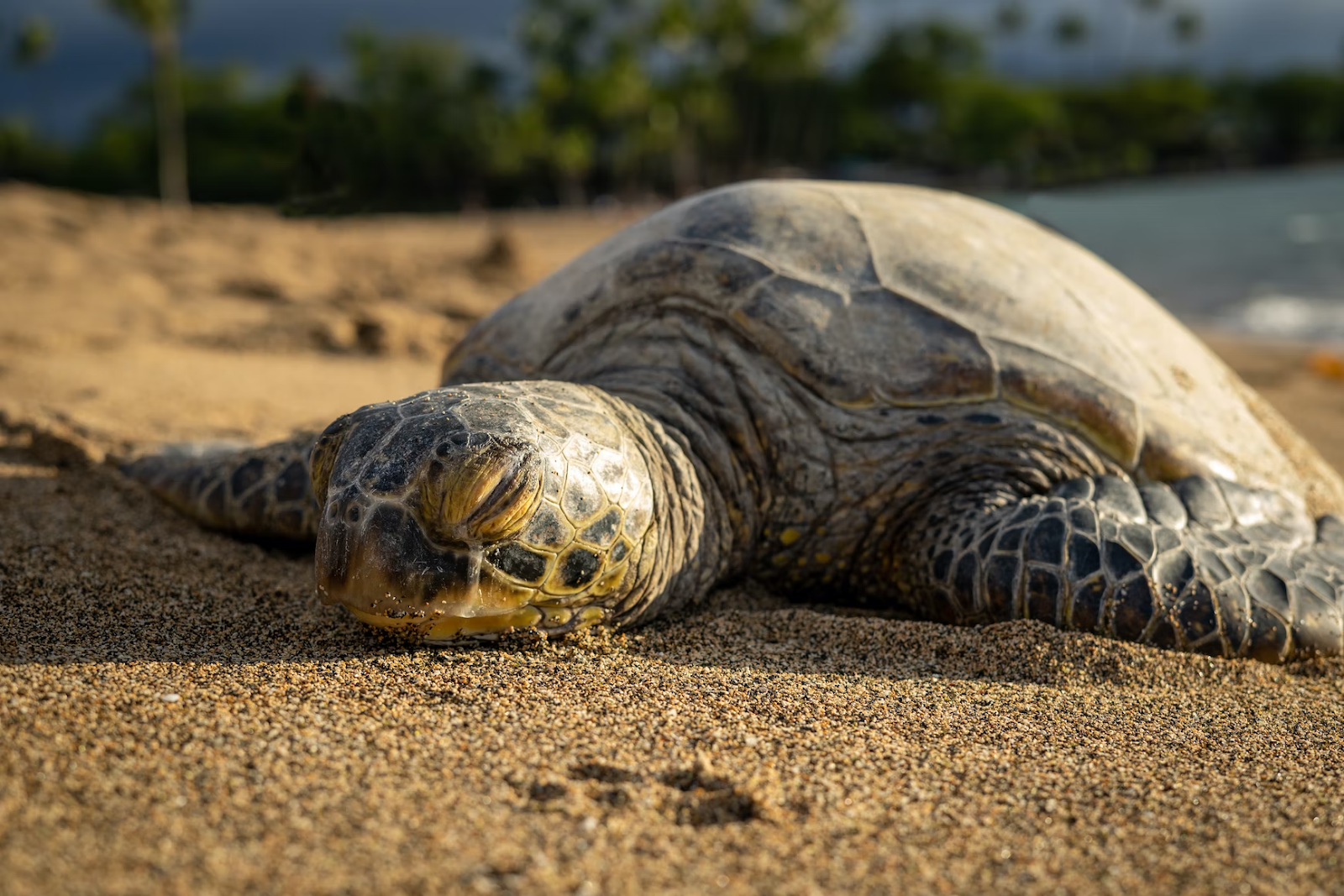
The largest sea turtle ever recorded was found in Wales in 1988. Scientists believe that this leatherback turtle was around 100 years old — it was 10 feet (3 m) long from the tip of its beak to the tip of its tail. It also weighed a whopping 2,019 pounds (916 kg)!
You can find the preserved body of this massive turtle in the National Museum of Wales.
Sea Turtle Ancestors Were Even Bigger
Although leatherback sea turtles can grow huge, they pale in comparison to one of their ancestors. Archelon, a now-extinct sea turtle species that lived around 80 to 66 million years ago, grew up to 13 feet (4 m) in length and was among the largest turtles to live on Earth!
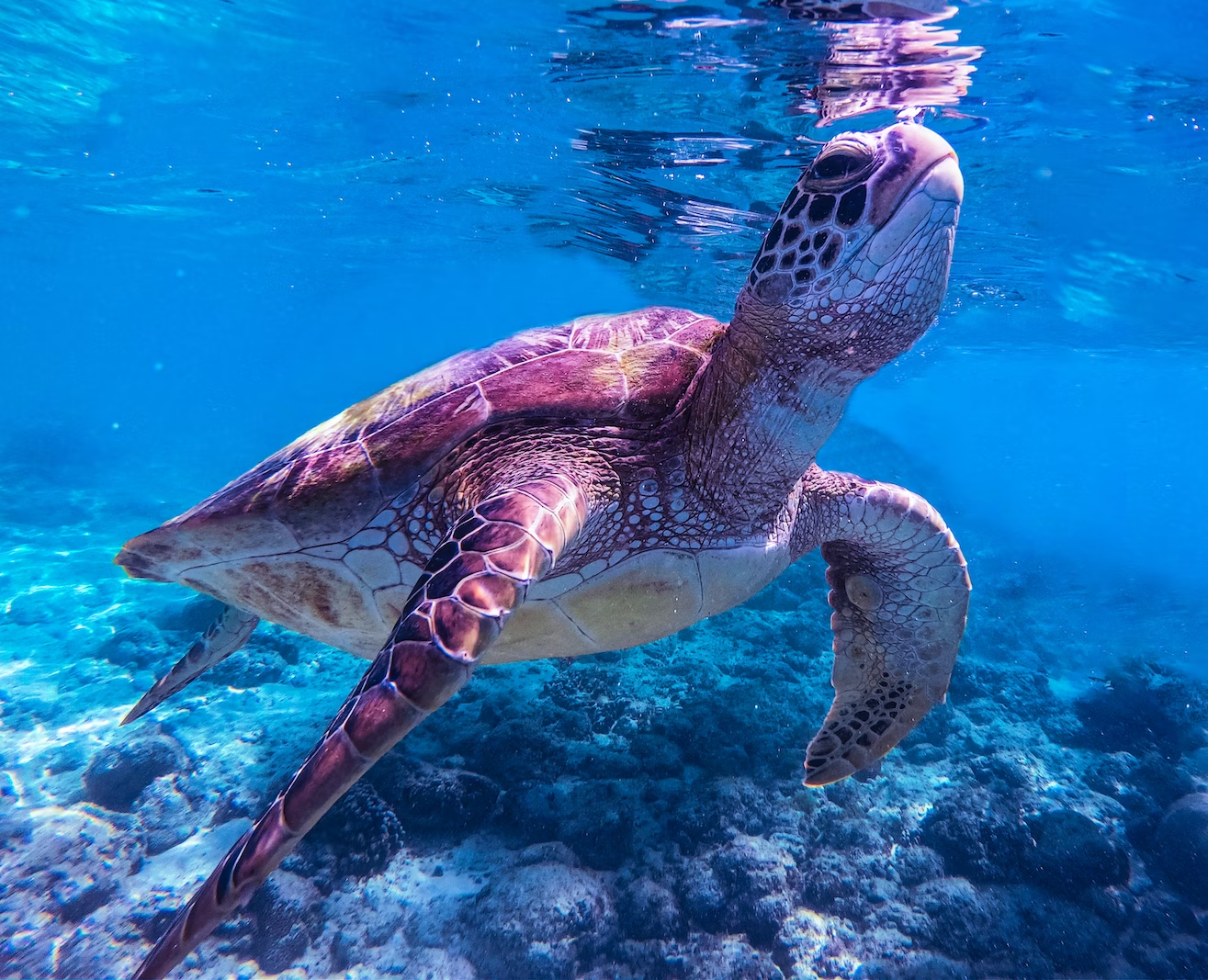
Green Sea Turtles Have Green Fat and Cartilage
Adult green sea turtles mainly eat seagrass and algae. Because of their herbivorous diet, their fat and cartilage are green. This is why they’re called green sea turtles, even though their shells are olive to black.
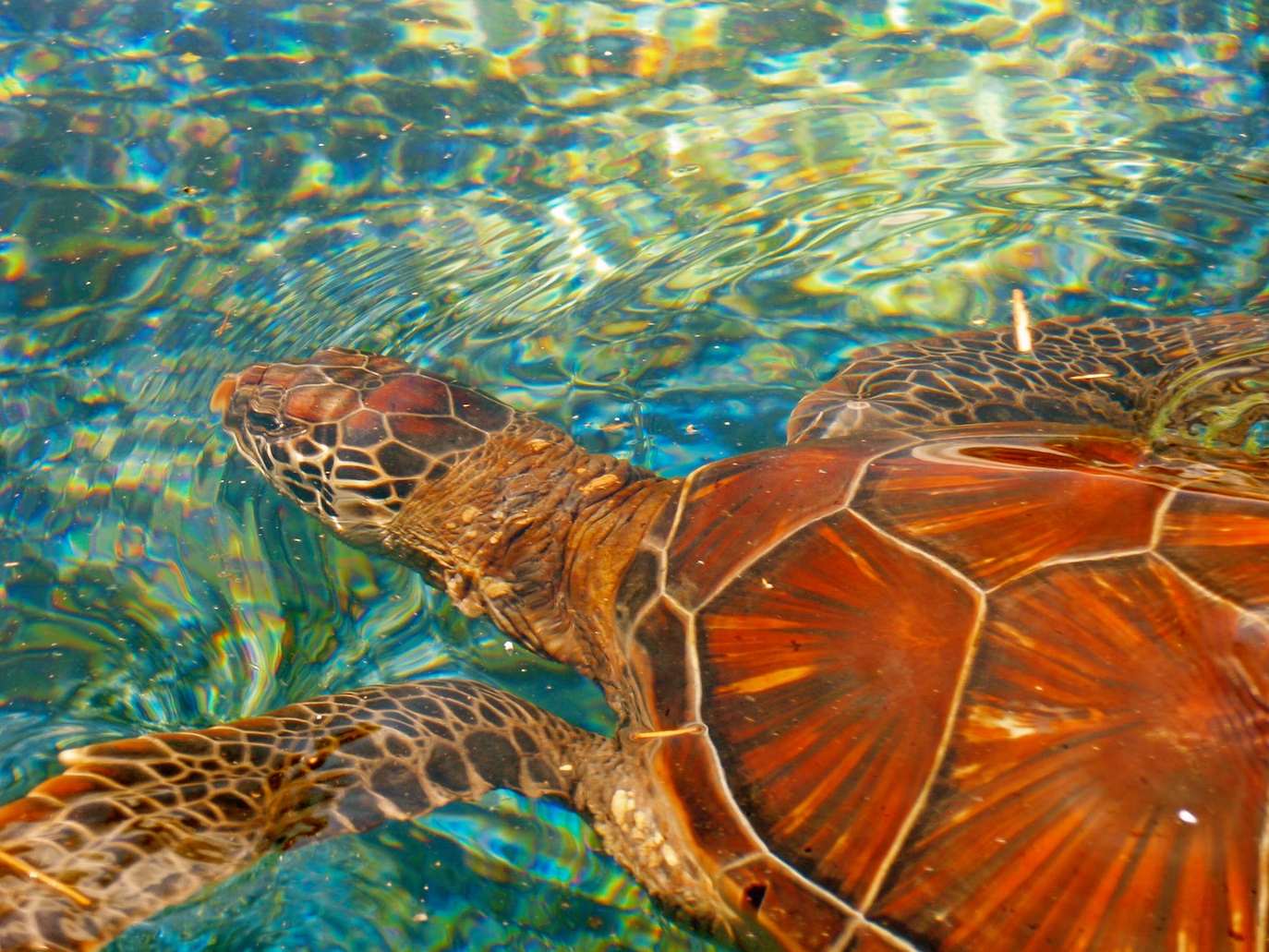
Sea Turtles Cry to Get Rid of Excess Salt
Too much salt isn’t good for the body, which can be tricky for sea turtles because they ingest the ocean’s saltwater when they eat. However, they have glands by their eyes wherein they can get rid of the excess salt. When they’re on land, this may make them look like they’re crying!
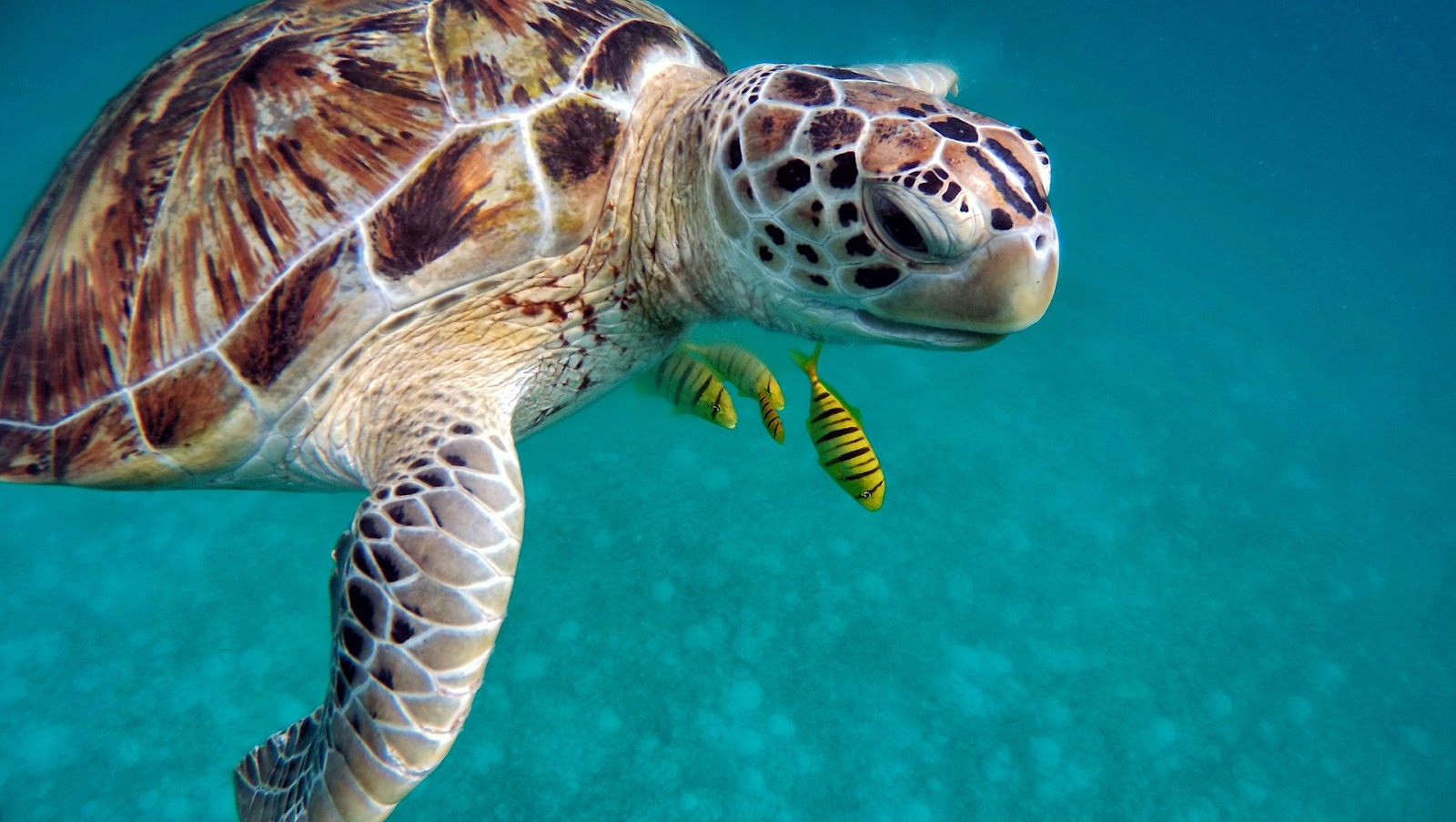
Photo by MarcelloRabozzi
Frequently Asked Questions on Sea Turtles
How long can a sea turtle live?
Some cultures view sea turtles (and land turtles) as symbols of a long, healthy life. This is because some turtles can live hundreds of years old.
We can’t say for sure how long sea turtles live because they live almost their whole lives in the sea. The lifespan also varies per species but typically ranges from 30 to 80 years.
How long can sea turtles hold their breath?
Sea turtles don’t have gills, so they still need air to breathe. However, they can hold their breath for a really long time.
When they’re swimming and feeding, they have to go back to the surface every few minutes to breathe air. However, when they’re at rest or sleeping, they can stay underwater for several hours while holding their breaths.
In cold water, the bodies of sea turtles slow down even further. They can hold their breath for up to seven hours in this condition!
How fast can a sea turtle swim?
There’s not much to expect from a sea turtle when it comes to speed. They typically swim at about 0.9 to 5.8 mph (1.4–9.3 km/h). However, when they feel threatened, they can boost their swimming speeds to 22 mph (35 km/hr)!