

Zebras are horse-like animals that live in the vast lands of Africa. These hoofed mammals are famous because of their unique black-and-white stripes—kids and adults can recognize them immediately.
However, knowing what they are is not enough. Behind their bold patterns, zebras are fascinating animals. There’s more than meets the eye with these majestic creatures. There are so many things to know about them! For instance, did you know they communicate with facial expressions and vocal calls?
Looking for facts to impress your friends and little ones? Read on to learn more about these unique animals!
Amazing Facts about Zebras You Can Share with Kids
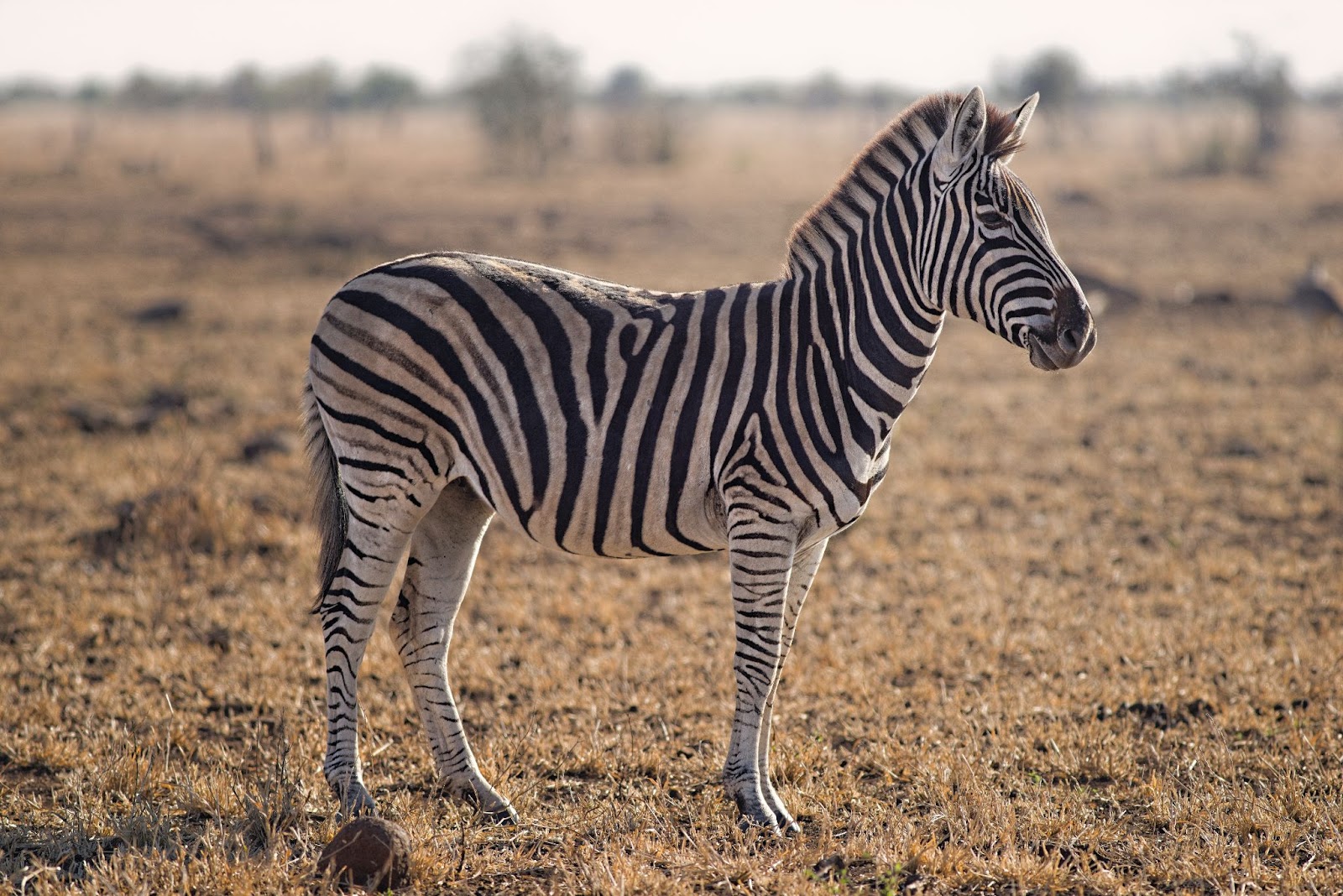
Courtesy of Adriaan Greyling
If you have a kid obsessed with zebras and other animals, you can surprise them with many zany zebra facts. Here are some of the most interesting facts you can share with them:
- Earth Is Home to Three Species of Zebra
Many of us think of zebras as just one type of animal, but there are actually three living species of zebras on Earth! These are the plains zebra, the mountain zebra, and Grévy’s zebra. All of them are native to the African continent.
The plains zebra is likely the one we’re all familiar with, as they’re the most common zebra species. They live in ranges throughout eastern and southern Africa.
The Grévy zebra, named after 19th-century French president Jules Grévy, is the largest among the zebra species. These zebras weigh as much as 1,000 pounds (453.6 kg)! They live in areas from southern Ethiopia and South Sudan to the northern reaches of South Africa.
The mountain zebra is the smallest among the three species. These zebras live in mountainous ranges in Angola, Namibia, and South Africa.
- No Two Zebras Have the Same Stripes
Perhaps the most distinctive features of zebras are their famous black-and-white stripes. All three species have different types of stripes. Grevy’s zebras have narrow stripes, while plains zebras have broad stripes. Mountain zebras, on the other hand, lie somewhere in the middle.
What’s super interesting about their stripes is that no two zebras have the same stripe patterns—even within the same species! Their stripes are as unique as our fingerprints.
Baby zebras, also called foals, have reddish-brown stripes. When they grow older, these stripes darken to black or dark brown.
- Mountain Zebras Can Climb Pretty Well
Most of us know that zebras run fast like horses. However, one of the most interesting facts about zebras is that they can climb pretty well!
Because mountain zebras live high up in the mountains and hills, they have adapted hard, pointed hooves that help them navigate their steep and rocky habitat. They can easily search for food and water, even without specialized climbing gear!
Although it’s not too surprising that mountain zebras are great climbers, you may be surprised to know that plains zebras also climb well. They can also scale mountains as high as 14,000 feet (4267.2 m)!
- Zebras Are Social Creatures
Zebras often live in social groups called herds. Because they are prey animals (other animals hunt them for food), this is crucial for their survival.
Living in groups allows them to have safety in numbers. When they stay together, they can protect each other when one is under attack.
Zebras can travel thousands of miles when searching for food and water. As multiple herds migrate, they may form “super herds” with thousands of individuals. Now that’s a pretty sight to see!
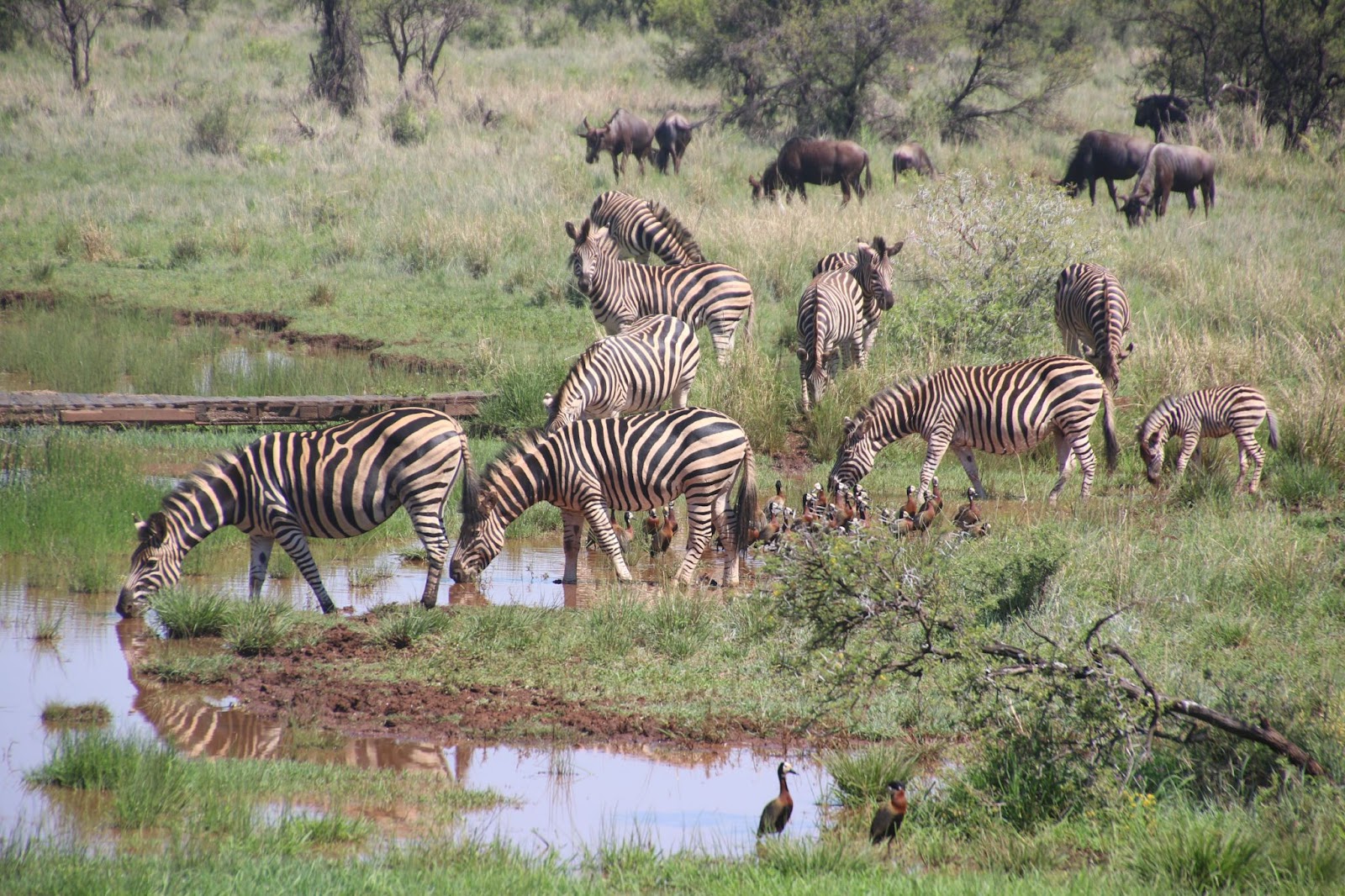
Courtesy of Magda Ehlers
- Zebras Can Communicate with Each Other
Of course, communication is important when living in groups. To communicate with other zebras in their herd, zebras can use various facial expressions. The positions of their ears and wide open eyes can indicate different things.
For instance, a zebra may stick its ears up and move its face forward when greeting another member of the herd. Meanwhile, if its ears are flat behind its head, it may feel upset or threatened.
Zebras can also make various vocal sounds to communicate. They may snort out of happiness or make a two-syllable call to alert others that a predator may be after them.
- Newborn Zebras Can Run within an Hour of Being Born
For humans, it takes several months to a year before a baby can stand. However, this isn’t the case for zebras. Newborn foals typically can begin standing within six minutes of being born.
If that isn’t impressive enough, zebra foals can walk 20 minutes after being born and run when they’re 40 minutes to an hour old! This running start is important for zebras because they need to outrun animals that may be out to get them.
However, just because they can run doesn’t mean they can survive independently. Zebra foals still need their moms for protection and milk!
A foal will initially feed solely on its mother’s milk, but it will begin grazing at around one week old. It will typically stop drinking milk between 7 and 11 months of age, and within just a year, it can be fully independent!
- Mommy Zebras Are Highly Protective
Mother zebras are the ones that solely take care of their babies. Aside from protecting the foals from predators, they also need to protect them from other zebras that may want to bully the newborn.
It’s no surprise that zebra moms are protective, too—they carry their babies in the womb for 12 to 13 months!
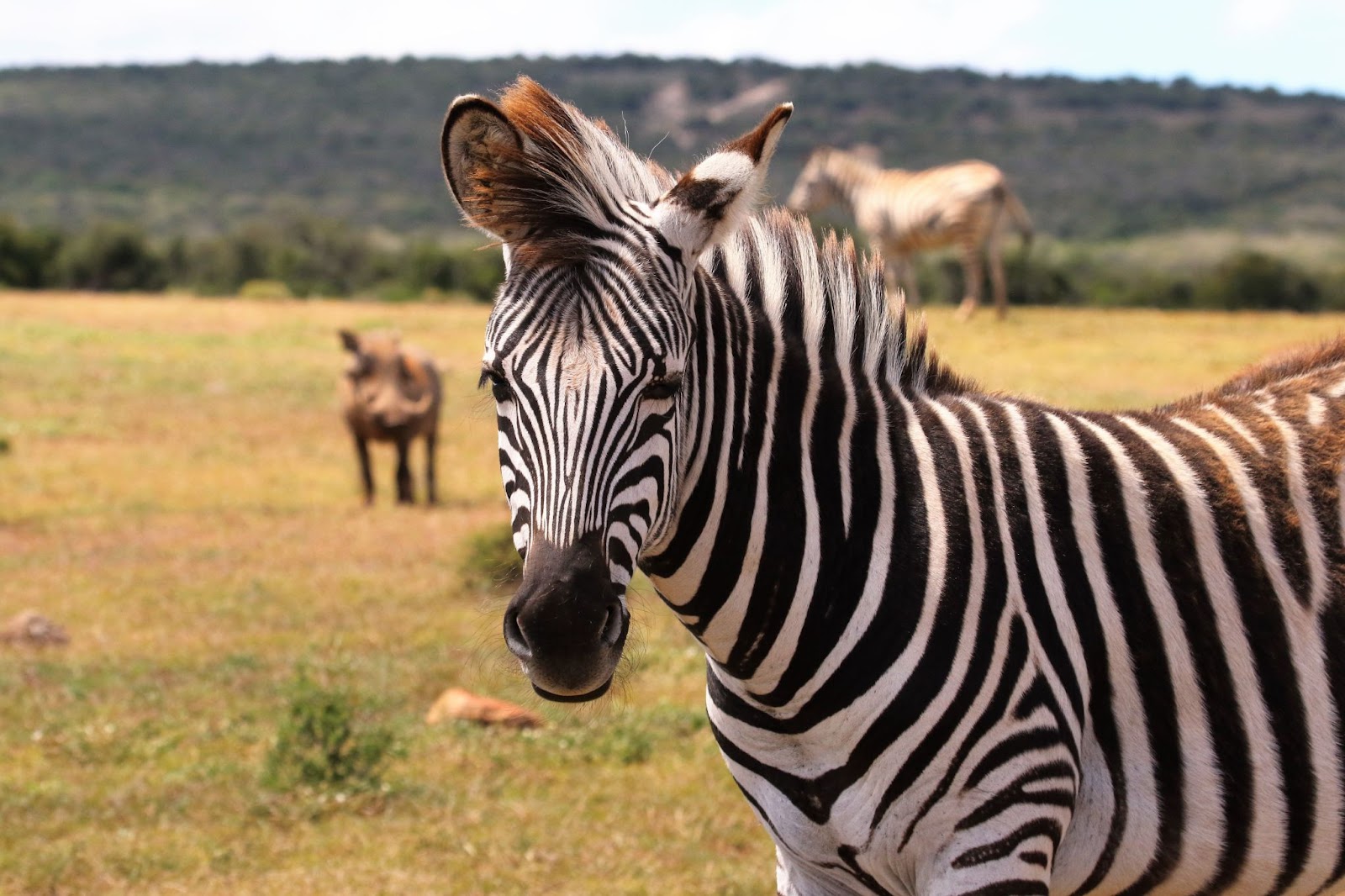
Courtesy of Magda Ehlers
- The Purpose of Their Stripes Is a Bit Unclear
One of the burning questions that scientists can’t answer is why zebras have stripes in the first place. Some scientists argue that they’re good for hiding zebras in tall grass, but some say that they’re there to help zebras identify each other. Some researchers have even found that the stripes help deter biting insects!
- Zebras Can Sleep While Standing
Zebras sleep for around seven hours a day, but one of the most surprising facts about zebras is that they can sleep while standing up.
Their leg joints can lock up and keep them upright while sleeping. This ability helps them stay on their feet and escape predators quickly! When zebras find safe places, they can lie down to get some much-needed deep sleep.
- Zebras Are Herbivores
You may be wondering, “What do zebras eat?” Well, zebras are herbivores, which means they eat plant material. They mostly eat grass, leaves, branches, and sedges. Sometimes, they may snack on fruits, roots, and tree bark!
Frequently Asked Questions on Zebras
How fast can zebras run?
Zebras are very fast animals. They can run up to 40 miles per hour (65 km/h)! That’s faster than an average car on a residential road.
Are zebras related to horses?
All species of zebras belong to the genus Equus. This means they are closely related to horses and donkeys. There are even cases wherein these different animals have crossbred babies—such as the “zonkey” and “zorse.”
Can you pet or ride zebras?
Although they look like our friendly horses and donkeys, zebras are still wild animals with wild behaviors. They can attack people, so it’s best not to go near them!
What do zebras sound like?
Zebras sound like horses and donkeys, but they also make weird noises. For example, they may let out high-pitched squeals like pigs or yap like dogs.
Are zebras black with white stripes or white with black stripes?
Researchers say that zebras are black with white stripes! Underneath their fur, they have black skin that helps protect them against the harsh African sun.